How can I verify a supplier's LSR, overmolding and tooling capabilities?
Asking a factory "do you do LSR overmolding?" almost always gets a yes. The useful question is whether they have done it on a part like yours, and the evidence is rarely on the website. An equipment list proves what a supplier owns; it does not prove they can hold your tolerances in production or bond silicone to your substrate reliably.
That distinction matters most when you are shortlisting factories for the first overmolded or multi-cavity LSR tool, or when a low quote promises a process you have no direct experience buying. The goal in screening is not to collect certificates. It is to confirm, using equipment, sample parts, and project evidence, that the factory can run the specific process your geometry needs.
Equipment proves capacity; samples prove competence
A long list of injection presses, CNC machines, and inspection tools is a starting point, not a verdict. Two factories with identical equipment can deliver very different overmold bonds, flash control, and dimensional consistency, because those depend on process know-how, mold design, and control discipline rather than machine nameplate.
When you evaluate a supplier, separate three layers of evidence:
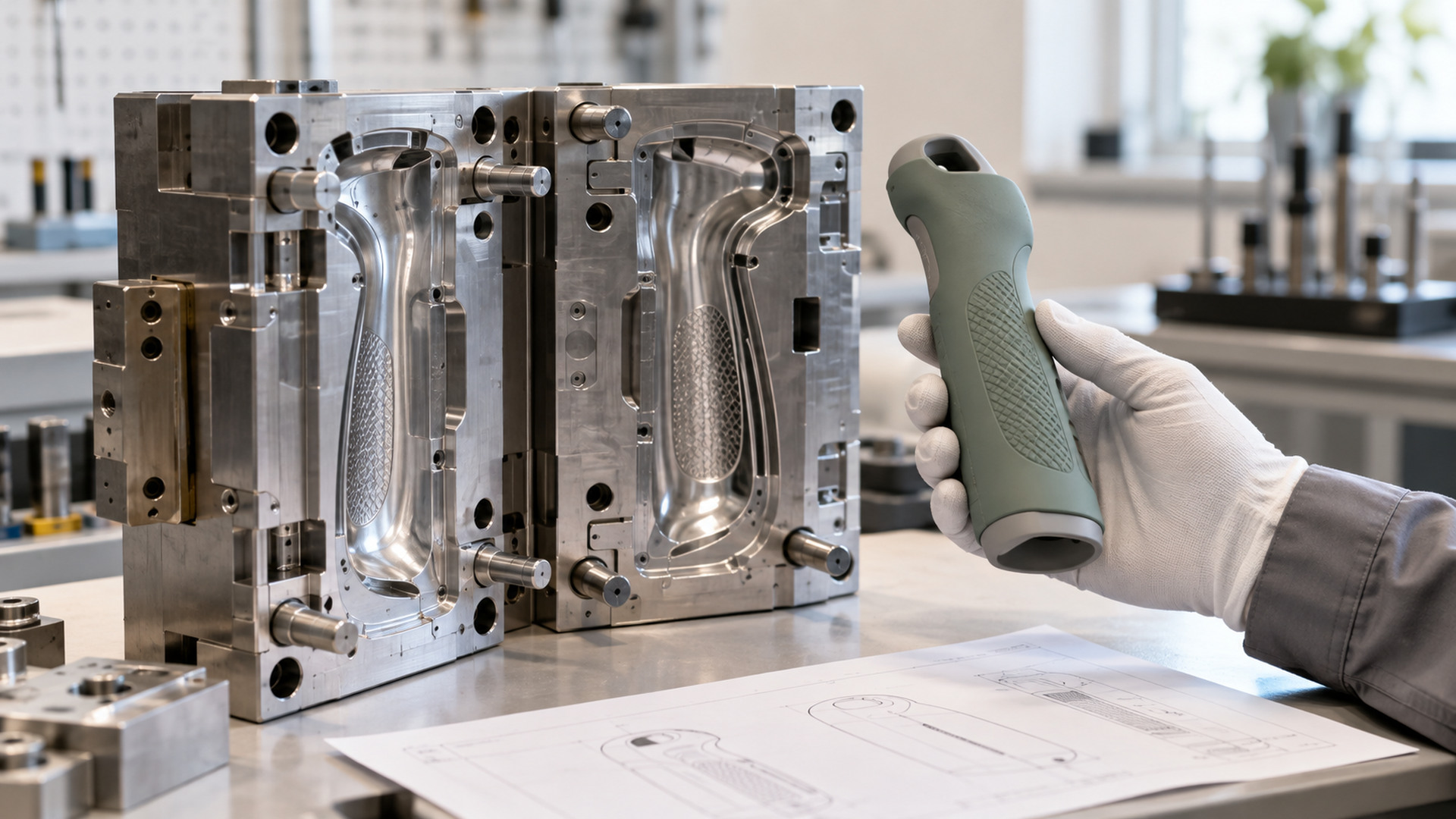
- What they own. Press tonnage and shot size suited to your projected part, LSR-metering/mixing capability versus only HCR compression, and in-house toolroom work (CNC, EDM) versus outsourced mold cutting.
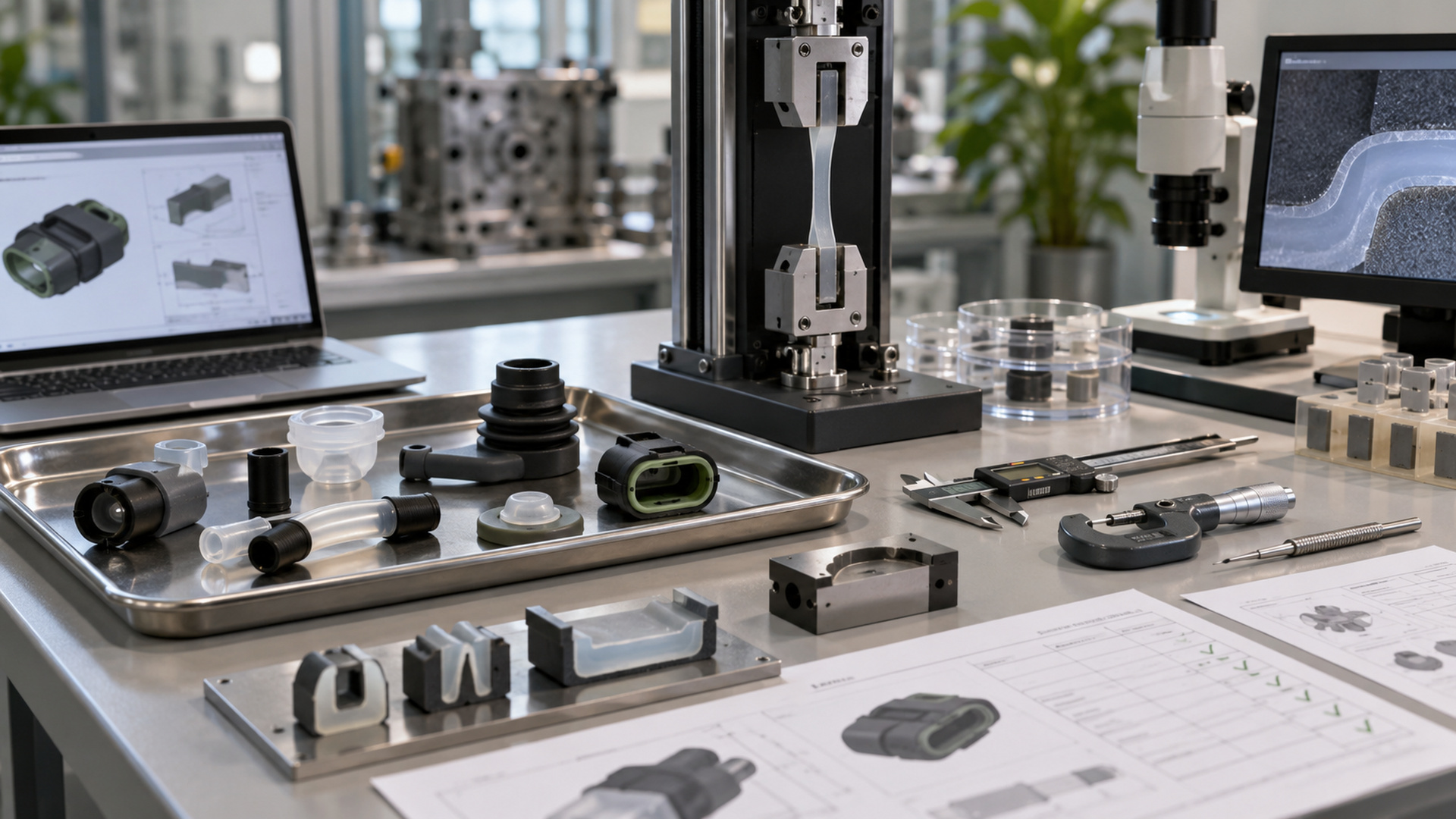
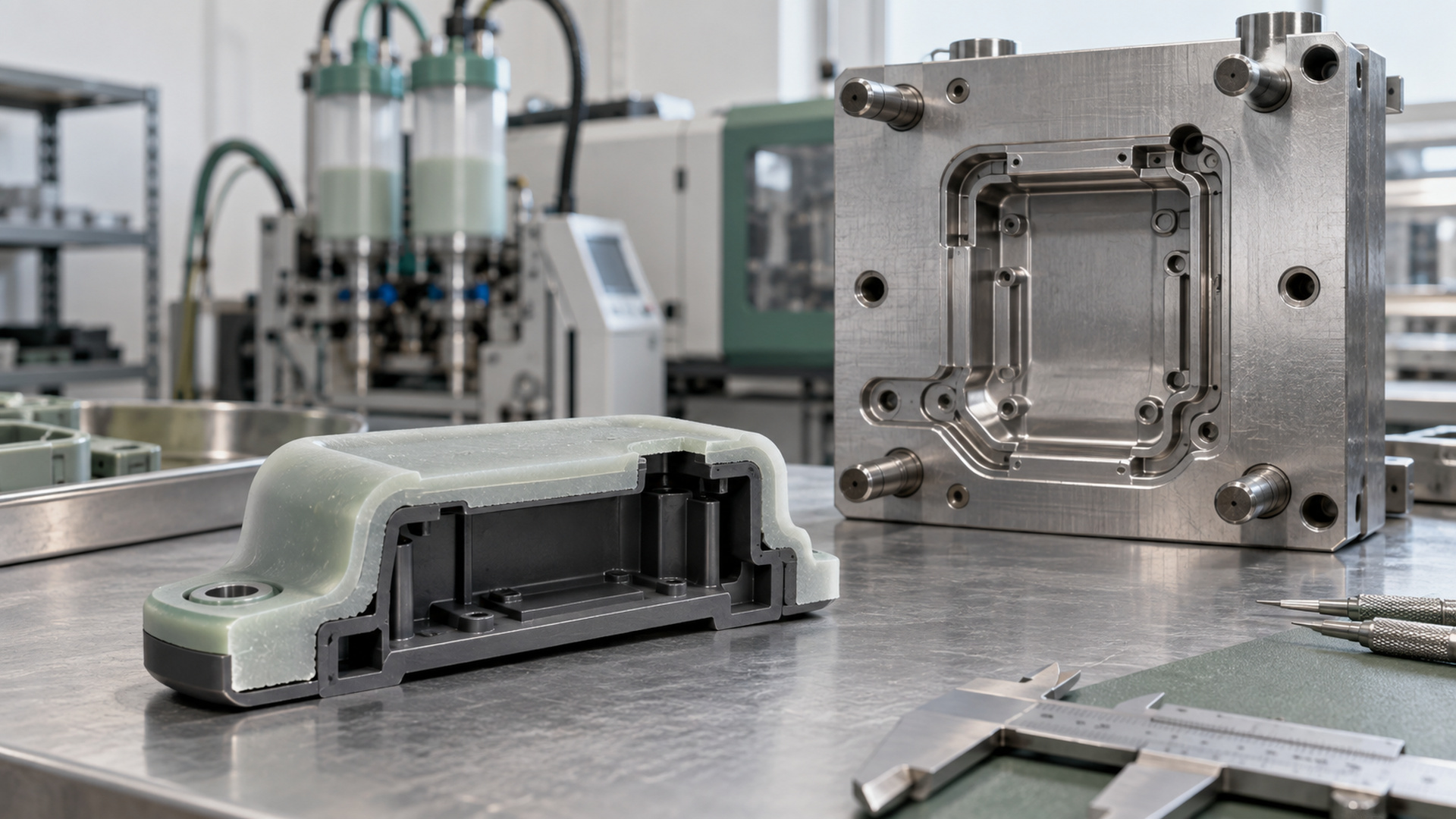
- What they have made. Finished overmolded parts with substrates similar to yours — plastic housings, metal inserts, glass or textile — plus cut sections showing bond-line quality and flash.
- How they control it. First-article reports, in-process checks, and traceability from raw lot to shipped lot.
Request references tied to comparable geometry and tolerance demands, not a generic portfolio. A factory making soft kitchen gadgets in compression molding may not have the process control for a tight-tolerance LSR seal overmolded onto engineering plastic.
Do not assume LSR is automatically the better route
A supplier that is proud of its LSR presses will recommend LSR by default. That may be right — and it may not. LSR injection buys you tight tolerances, clean flash control, and high-cavity efficiency at volume, but it also carries higher tooling investment and longer setup than HCR/compression.
LSR is the stronger fit when your part is small, thin-walled, high-volume, or needs consistent flash-free sealing surfaces. HCR/compression is often the economical choice for larger, lower-volume, or simpler geometries. Before accepting an LSR proposal, confirm the geometry and annual volume actually justify the investment, and ask what a compression or transfer route would have cost instead.
Overmolding lives or dies on the substrate detail
The bond between silicone and another material is not something the silicone supplier controls alone. It depends heavily on the substrate you provide. Two checks separate credible suppliers from optimistic ones:
- They ask you to specify the exact substrate grade and its surface condition — molded as-received versus treated, plasma or primer surface treatment, and any release agent that must be removed before overmolding.
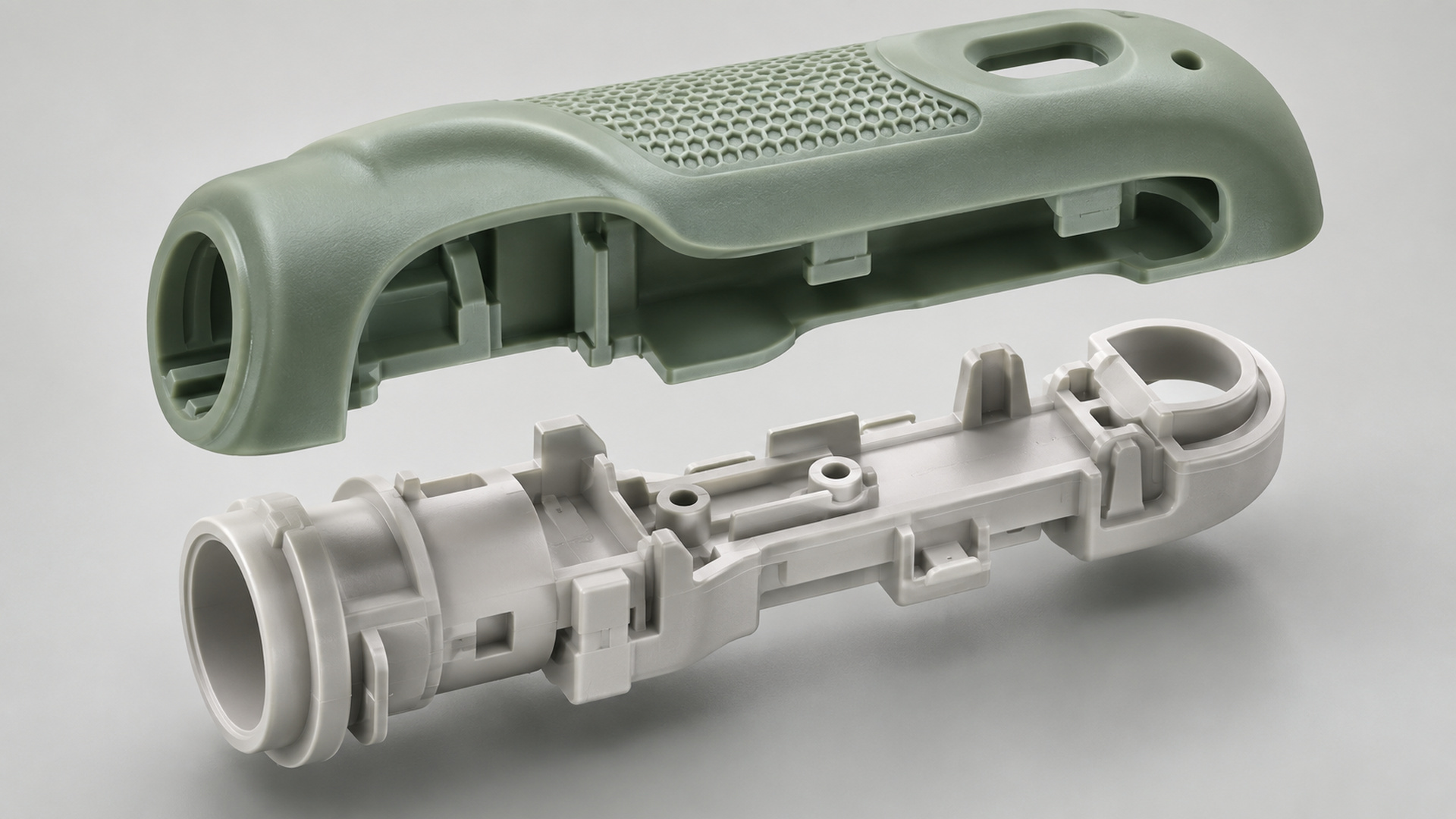
- They design redundant retention. Chemical adhesion (primer/bonding system) is combined with mechanical interlock — undercuts, through-holes, or mechanical locking geometry — so a partial loss of adhesion does not mean the part pulls apart in service.
If a supplier quotes the overmold without asking what the insert is made of or how its surface is prepared, that gap is a warning sign.
Keep one controlled revision set
Capability claims fall apart when drawing, sample, mold, and packaging drift apart over the project. A factory that can show a single, controlled revision history — each approval tied to a specific drawing revision, sample set, and mold revision — is demonstrating the documentation discipline that repeat orders depend on. Ask how they version-change all four together, and what triggers a re-approval.
Turn vague language into an acceptance standard
Even a capable supplier will disappoint if your requirement is written as "good bond," "clean appearance," or "food-grade." Convert intent into something inspectable:
- A controlled reference — approved sample, color reference, signed drawing, or agreed visual standard.
- Critical characteristics — the bond strength, sealing compression, critical dimension, or appearance zone that affects use.
- A test condition — how the part is pulled, aged, cycled, cleaned, or assembled.
- An acceptance rule — what passes and what fails, cosmetic versus functional.
- A revision record — which drawing, sample, and mold version the approval covers.
This matters most when the first prototype is hand-cast or 3D-printed. A working prototype proves the idea; it does not prove the factory can reproduce it at production variation.
How to validate before committing to the tool
A screening RFQ should expose process intent, not just price. Ask the supplier to state the proposed process, material family, tooling approach, and inspection scope in writing. Then move evidence progressively closer to real production: design review, representative samples, and finally pilot or first-article approval.
For a high-risk bond or seal, use more than one kind of evidence. Measure the dimension, but also function-test the assembly. Pull-test the bond, but also age or cycle the finished part. A raw-material compliance report tells you about the polymer; it does not by itself prove the finished assembly meets its market.
Questions that expose real capability
Skip pleasantries and ask for specifics:
- Do you run LSR in-house, and at what shot size and volume range is it economic?
- Is the mold cut in your toolroom or outsourced — and who controls revisions?
- Show me an overmold on a substrate similar to mine, and the cut section or peel data.
- What substrate grade and surface treatment do you assume for my insert?
- How do you combine chemical primer with mechanical retention?
- What was the last overmold that failed, and what changed to fix it?
- How are material lots, mold revisions, and production lots traced to a shipment?
Answers like "we can mold anything," "FDA silicone," or "100% guaranteed" are not evidence. The credible answers name the process, the geometry, and the control plan.
Conclusion
Verifying LSR, overmolding, and tooling capability is a matter of matching evidence to your part. Equipment tells you what the factory can attempt; sample parts, cut sections, and revision history tell you what it can actually deliver. Confirm the process fits the geometry and volume, pin down the substrate and bond design, and watch how documentation is controlled — before you commit a steel mold to a claim on a website.