Insights

Silicone engineering & product development insights

Practical guides on materials, molding processes, overmolding, tooling and quality — written for product teams developing custom silicone products.

All topics

Browse insights by topic

Filter the guides by topic. The featured article is chosen by the editorial team; every other article is listed newest first.

41 articles

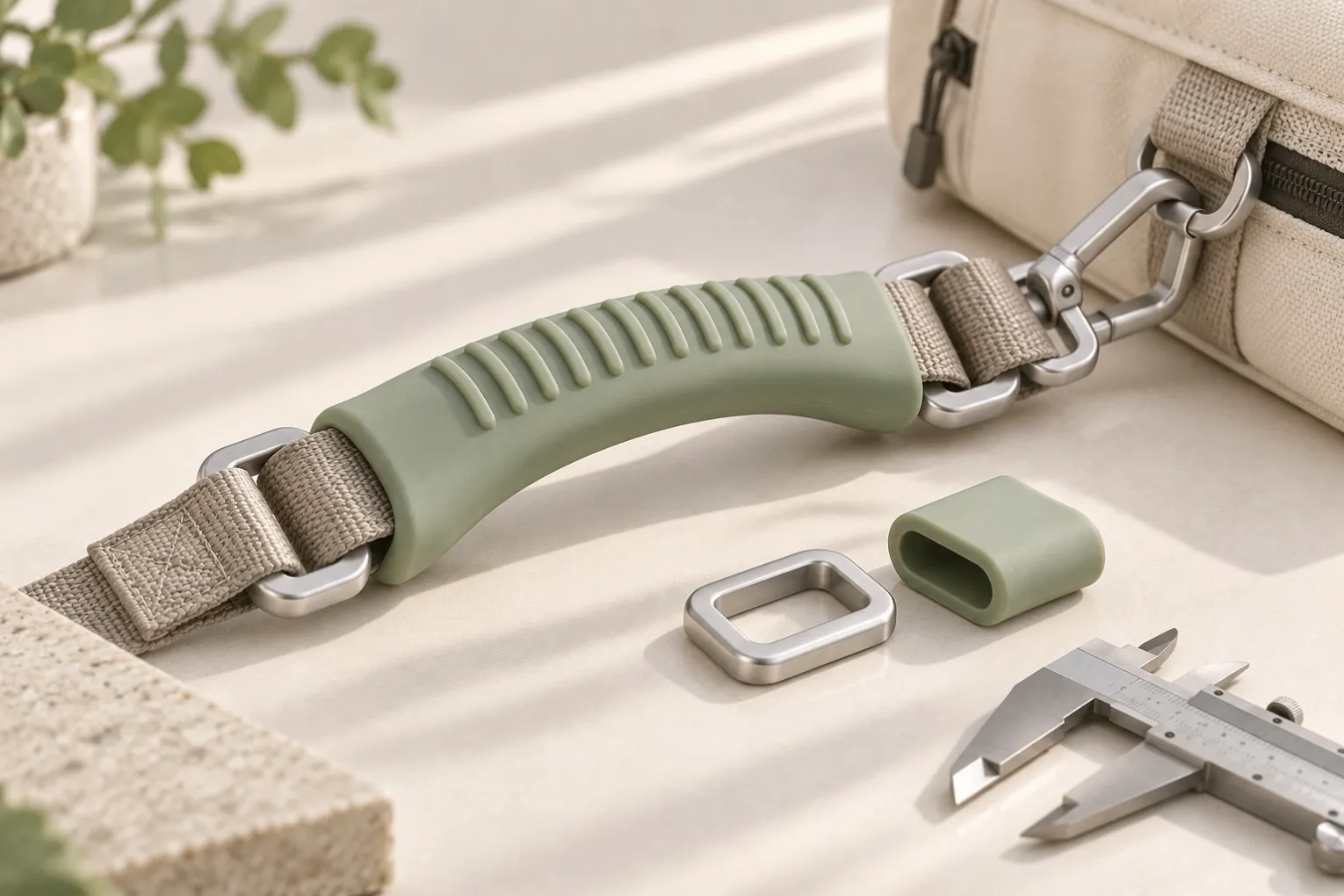
How should wall thickness and local reinforcement be designed for silicone parts?
Product Development

How should wall thickness and local reinforcement be designed for silicone parts?

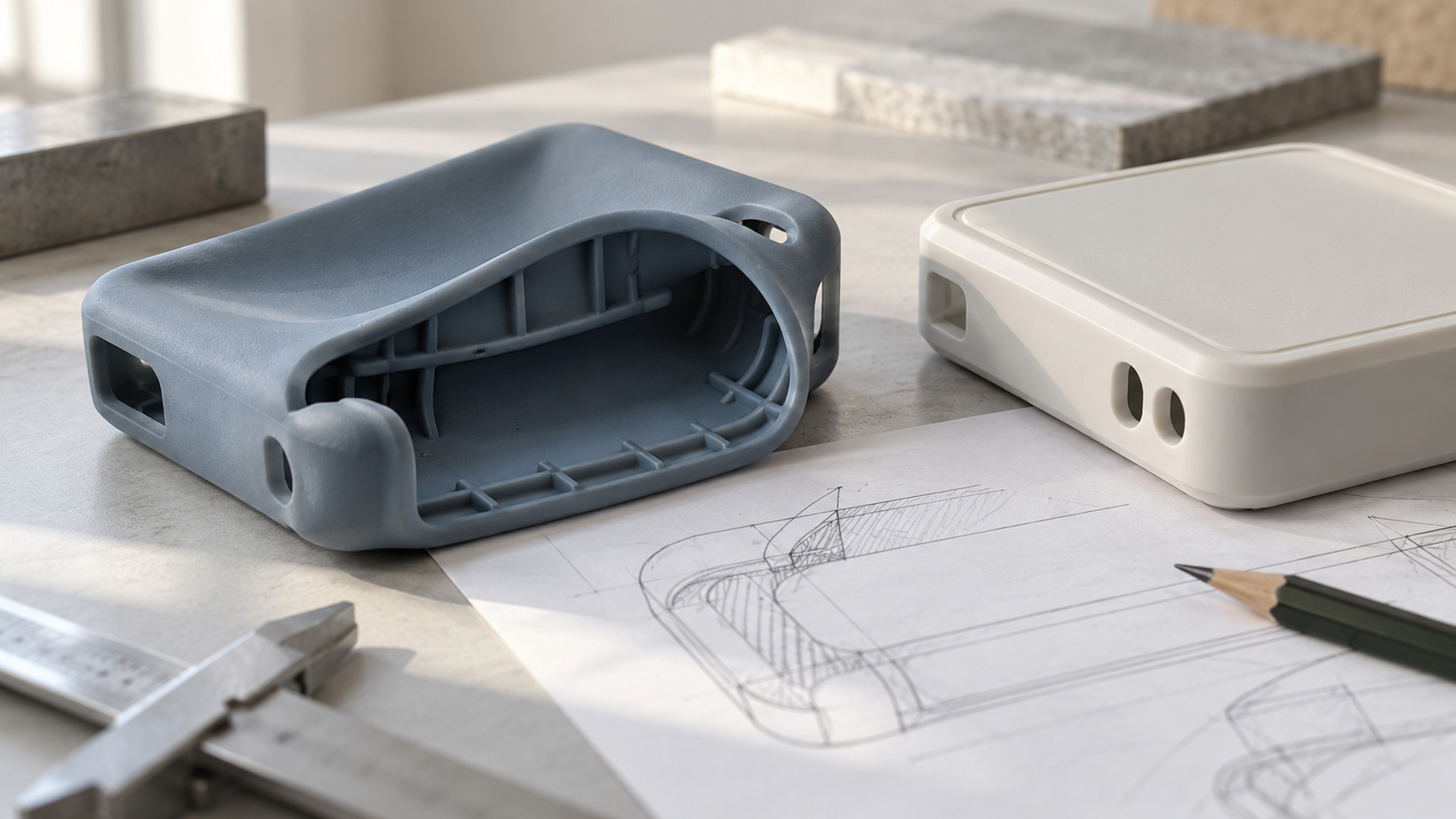
Why silicone parts that look simple still live or die on wall thickness and stress points. How to keep sections uniform, soften sharp corners into radii, and add local reinforcement at holes, roots, and tear points — so the part molds cleanly and does not tear in use.

What must be revalidated after changing a pigment, additive or silicone grade?
Materials & Manufacturing

What must be revalidated after changing a pigment, additive or silicone grade?

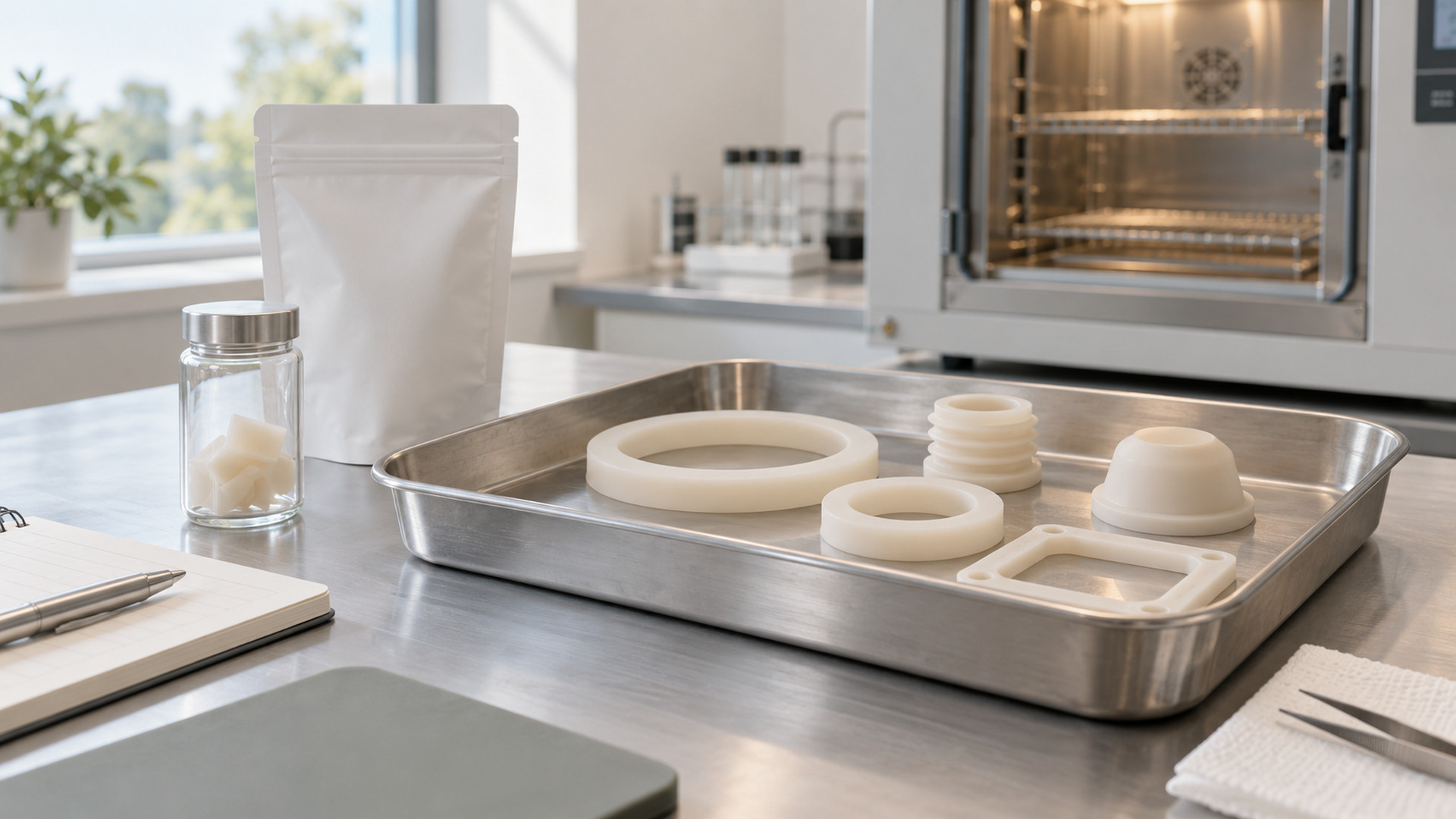
A color or material swap is never 'the same part, just different resin.' What actually has to be revalidated when you change a pigment, additive, or silicone grade — by risk, from a cosmetic color match to mechanical, bonding, and compliance re-tests — and how to scope the change without redoing the whole program.

Can a material change reduce silicone odor and volatile content?
Materials & Manufacturing

Can a material change reduce silicone odor and volatile content?

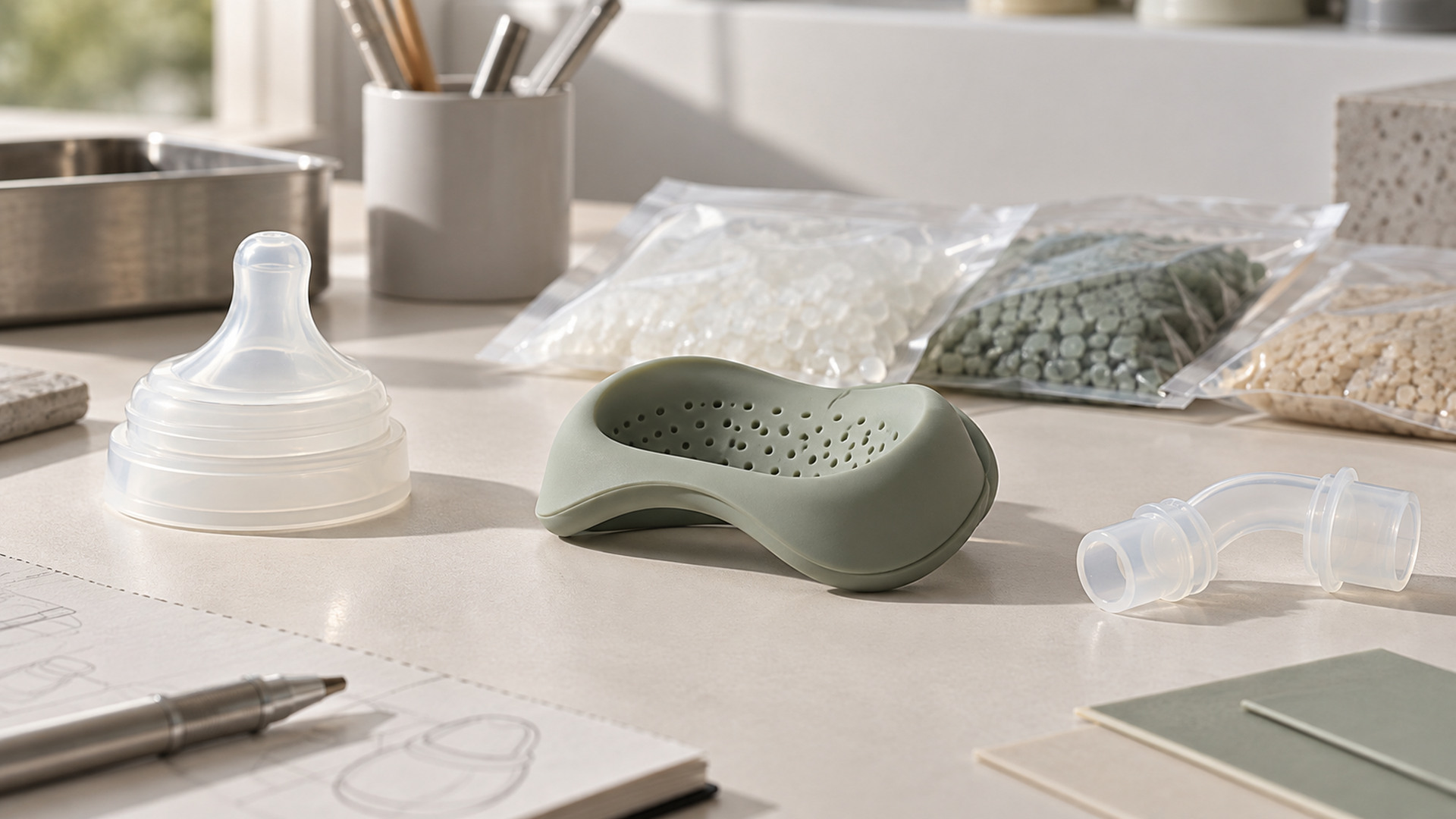
Yes, but a material swap is only half the answer. Where silicone odor and volatile compounds actually come from — the base grade, residual cure byproducts, additives, and even sealed packaging — and how material, post-cure, and packaging choices together clear the smell.

Are food-contact, skin-contact and medical-use silicones interchangeable?
Materials & Manufacturing

Are food-contact, skin-contact and medical-use silicones interchangeable?

No — a 'food-grade' silicone is not automatically skin-safe or medical-grade. Why the three contact categories are different regulatory regimes, why a raw-material declaration does not cover the finished part, and how to match the material evidence to the real contact condition and market.

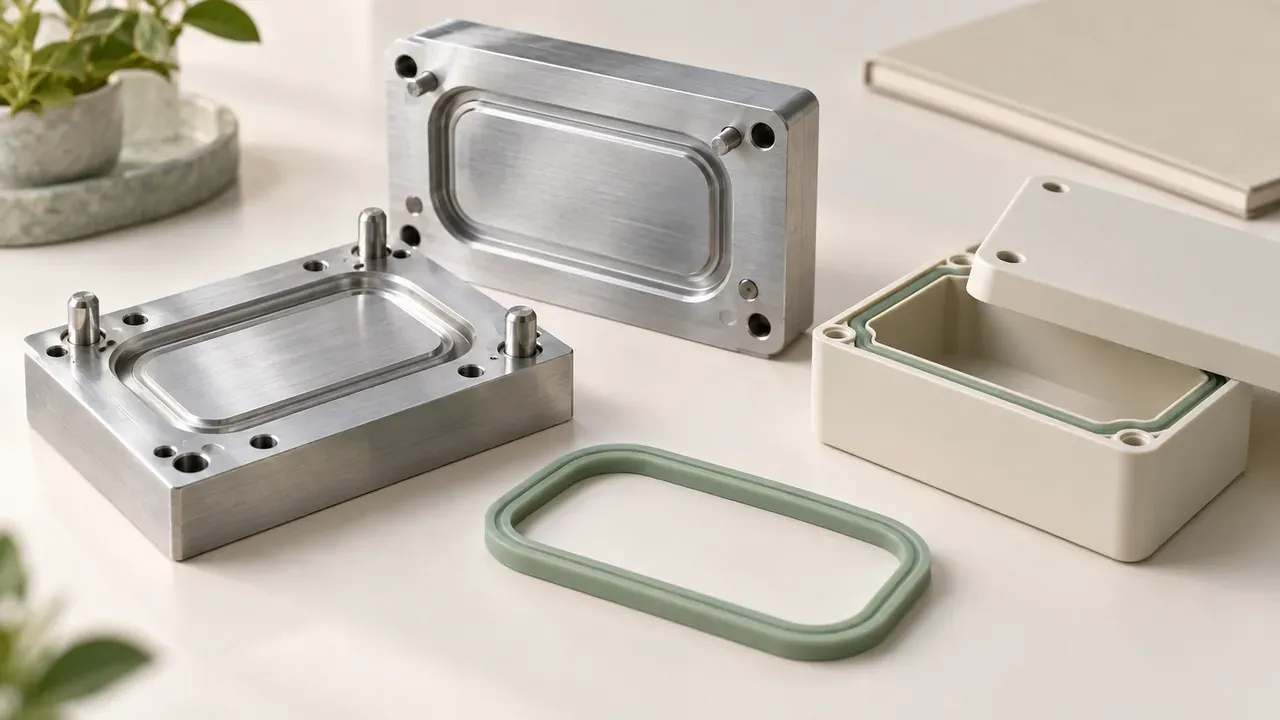
Why does compression set matter when selecting a silicone seal?
Materials & Manufacturing

Why does compression set matter when selecting a silicone seal?

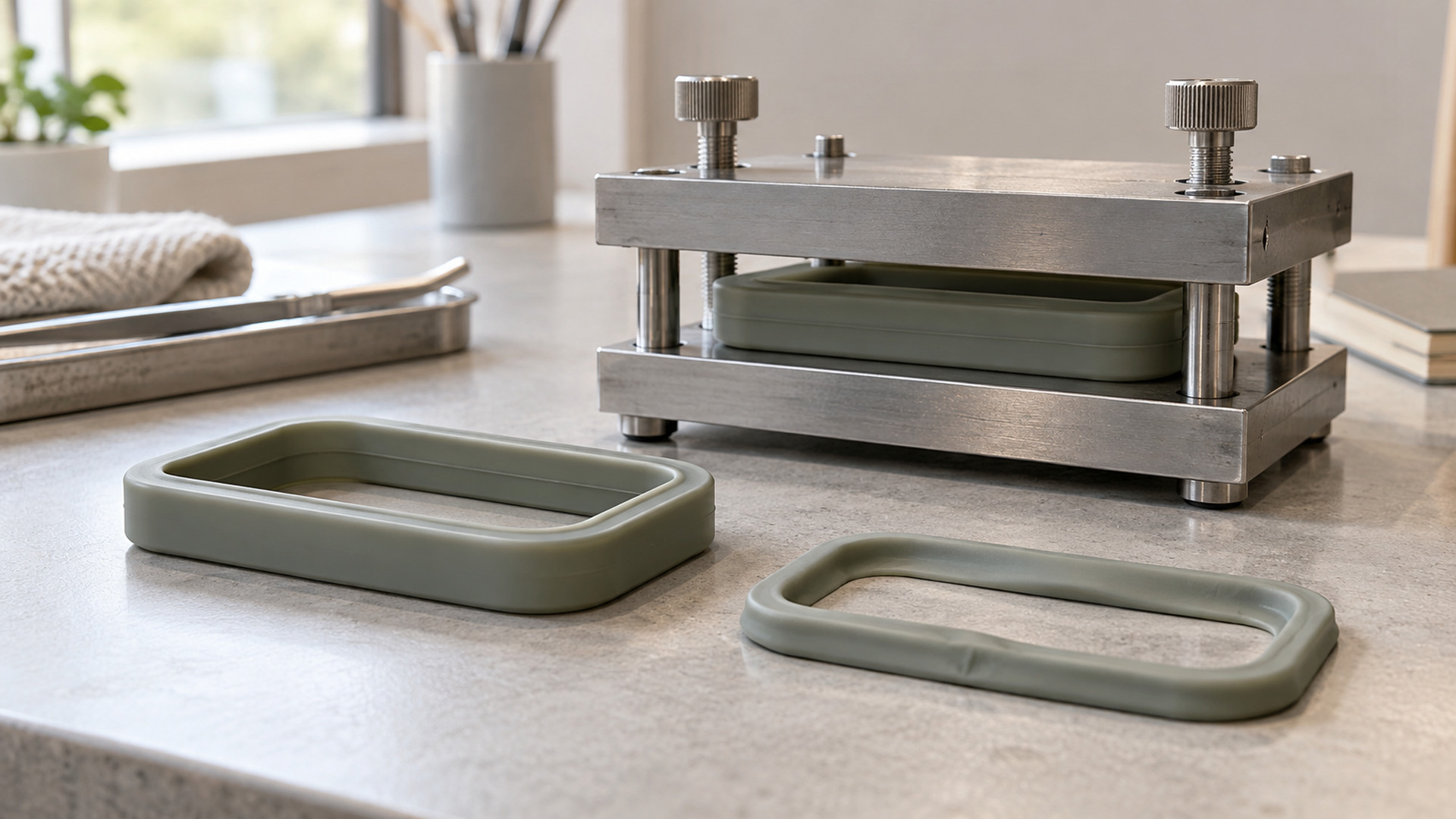
Compression set is the permanent crush a seal takes after being held squeezed. Why it decides whether a silicone seal still seals after months in service, how it is measured, and why the housing, compression, and storage conditions matter as much as the grade on the datasheet.

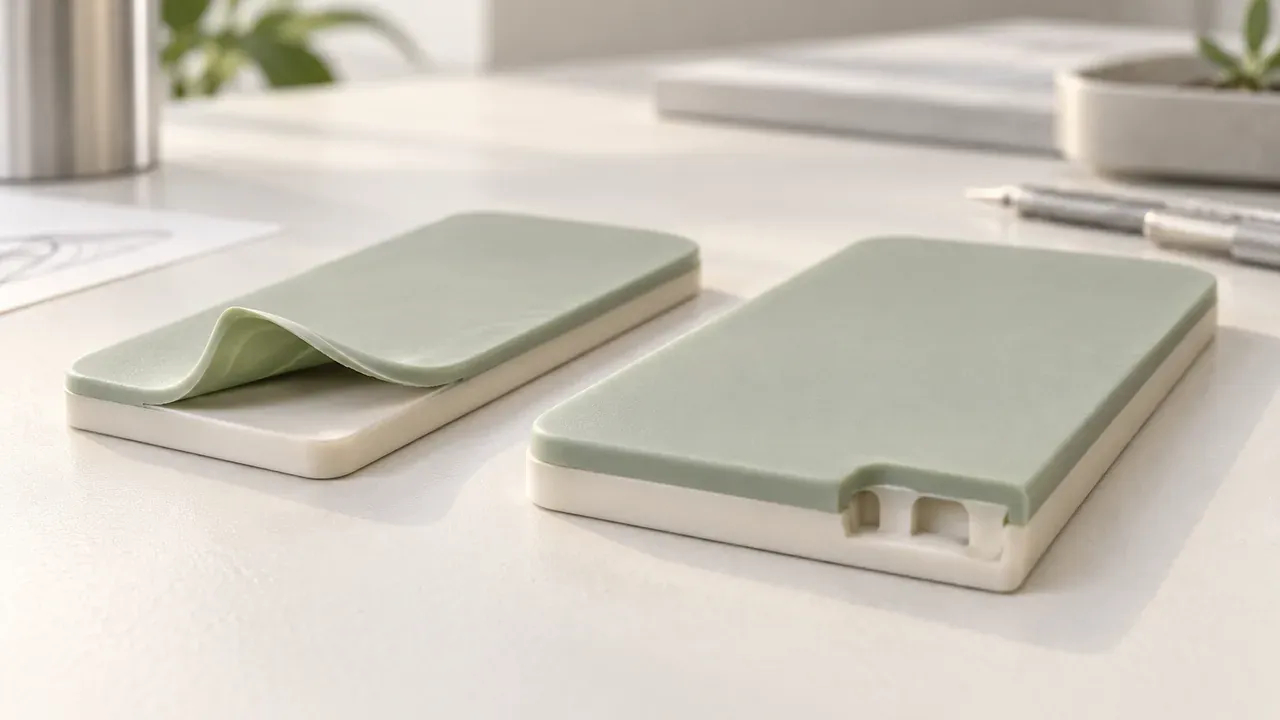
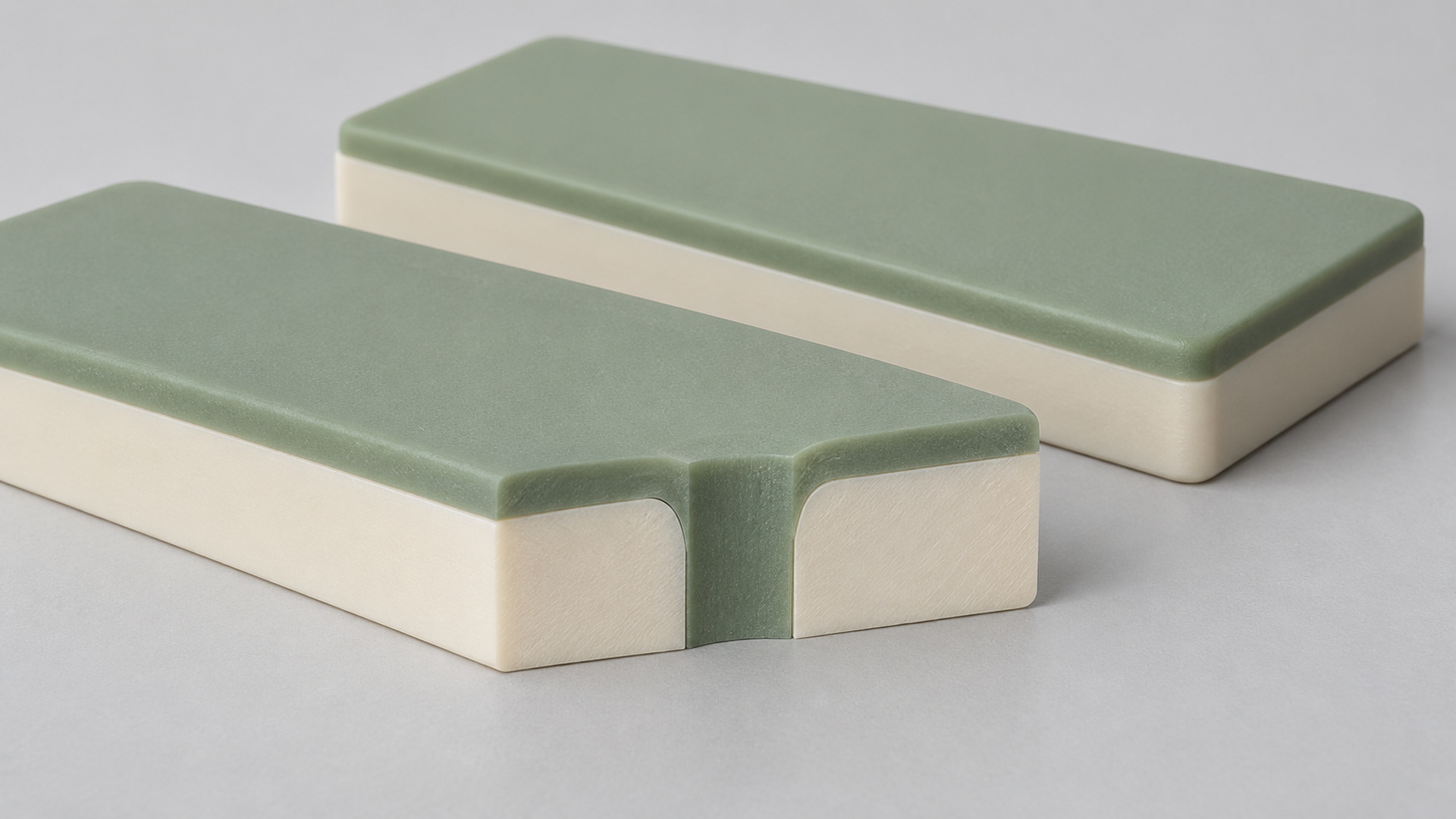
Postcure-Free Self-Adhesive LSR: What Buyers Still Need to Validate in Hard–Soft Components
Silicone Engineering

Postcure-Free Self-Adhesive LSR: What Buyers Still Need to Validate in Hard–Soft Components

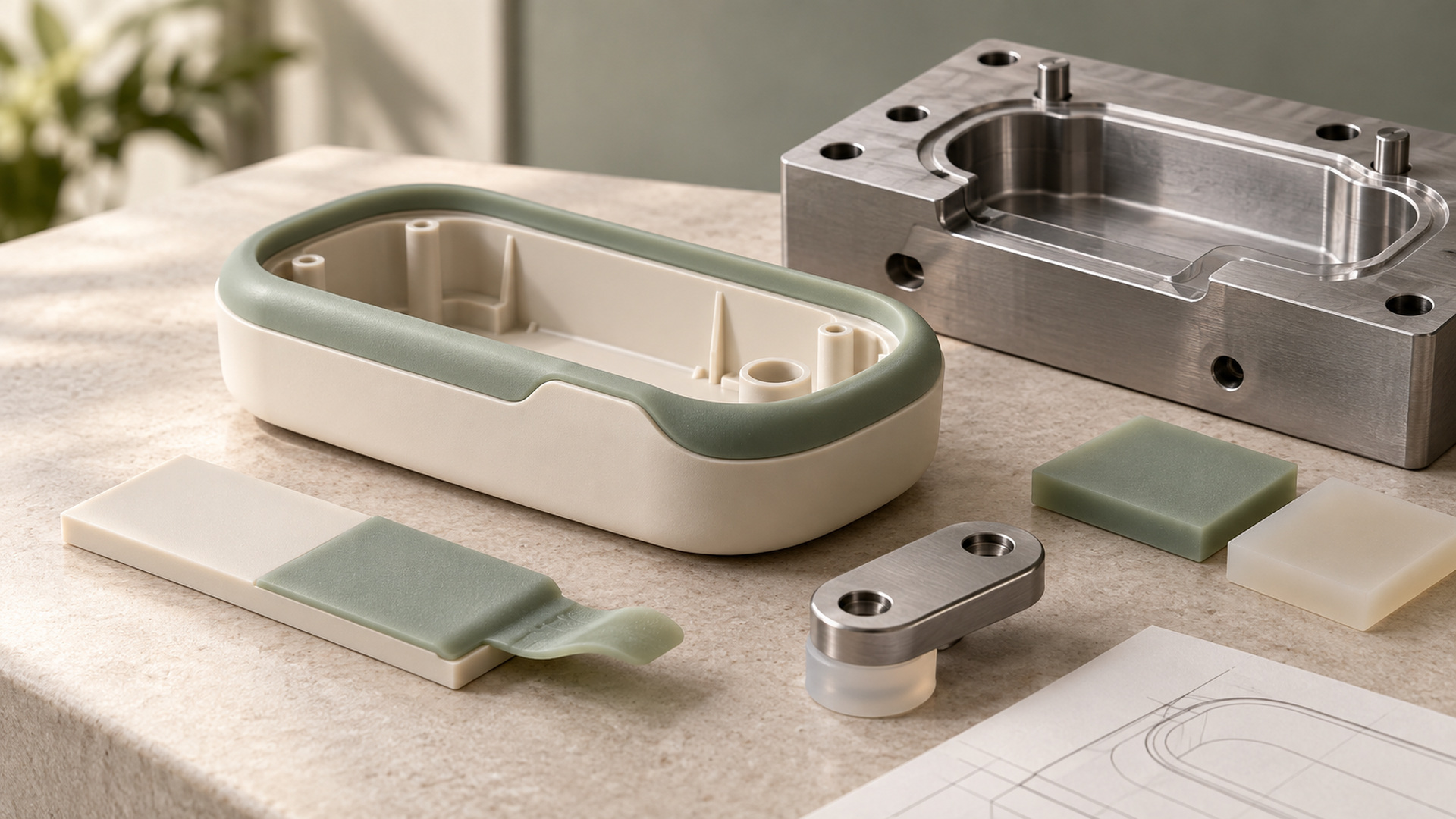
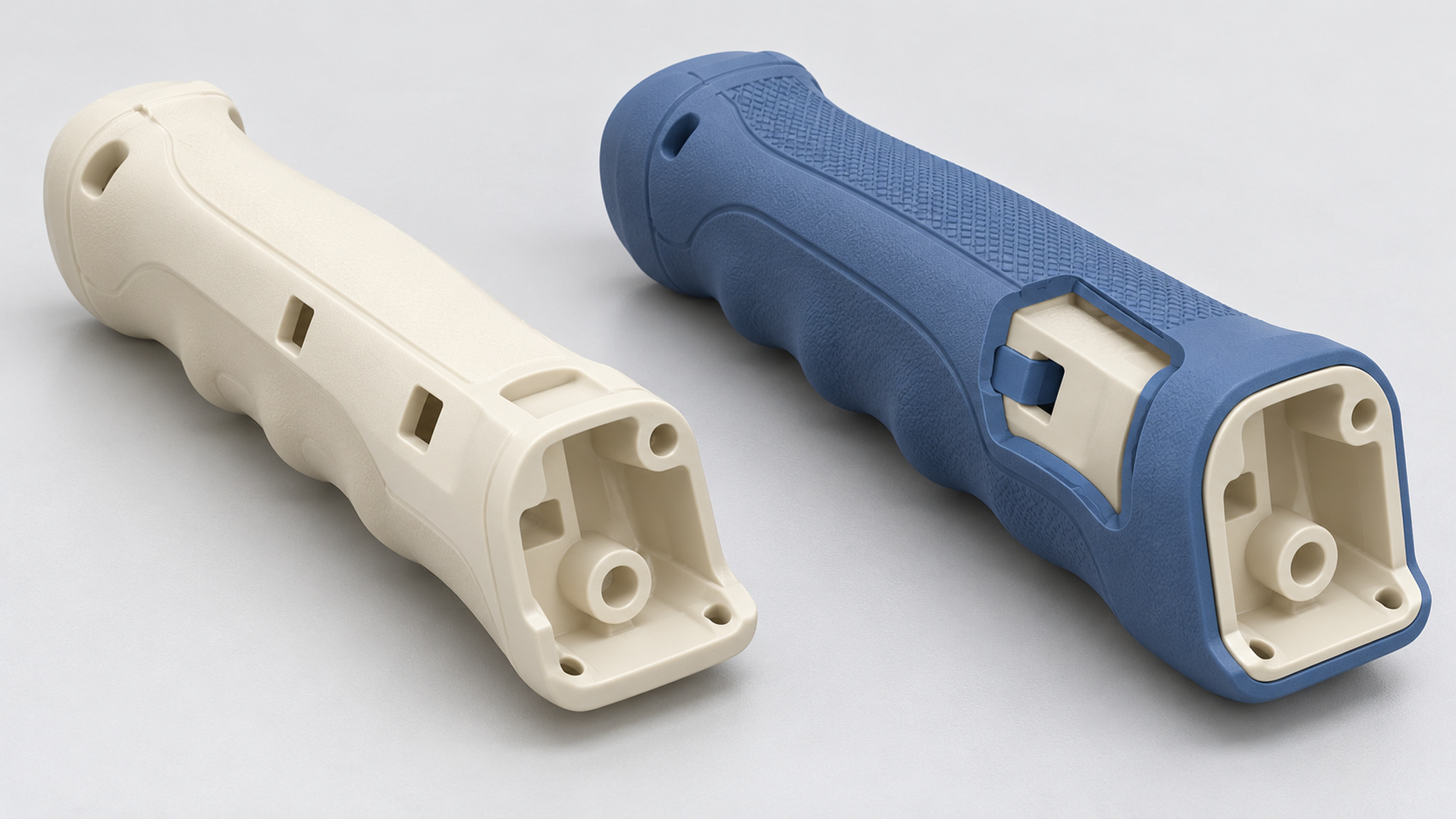
A buyer-focused guide to validating self-adhesive, postcure-free LSR overmolding across substrate grades, surface conditions, bonding mechanisms, aging, compliance and change control.
How should I choose between silicone, TPE and TPU for my application?
Materials & Manufacturing

How should I choose between silicone, TPE and TPU for my application?

Silicone, TPE and TPU all feel flexible, but they behave very differently under heat, wear, skin contact, and overmolding. How to choose by temperature resistance, feel, abrasion, bonding, and processing — and why the same durometer can feel nothing alike in two materials.

Designing Silicone and Soft-Goods Interfaces for EEG Sleep Wearables
Silicone Engineering

Designing Silicone and Soft-Goods Interfaces for EEG Sleep Wearables

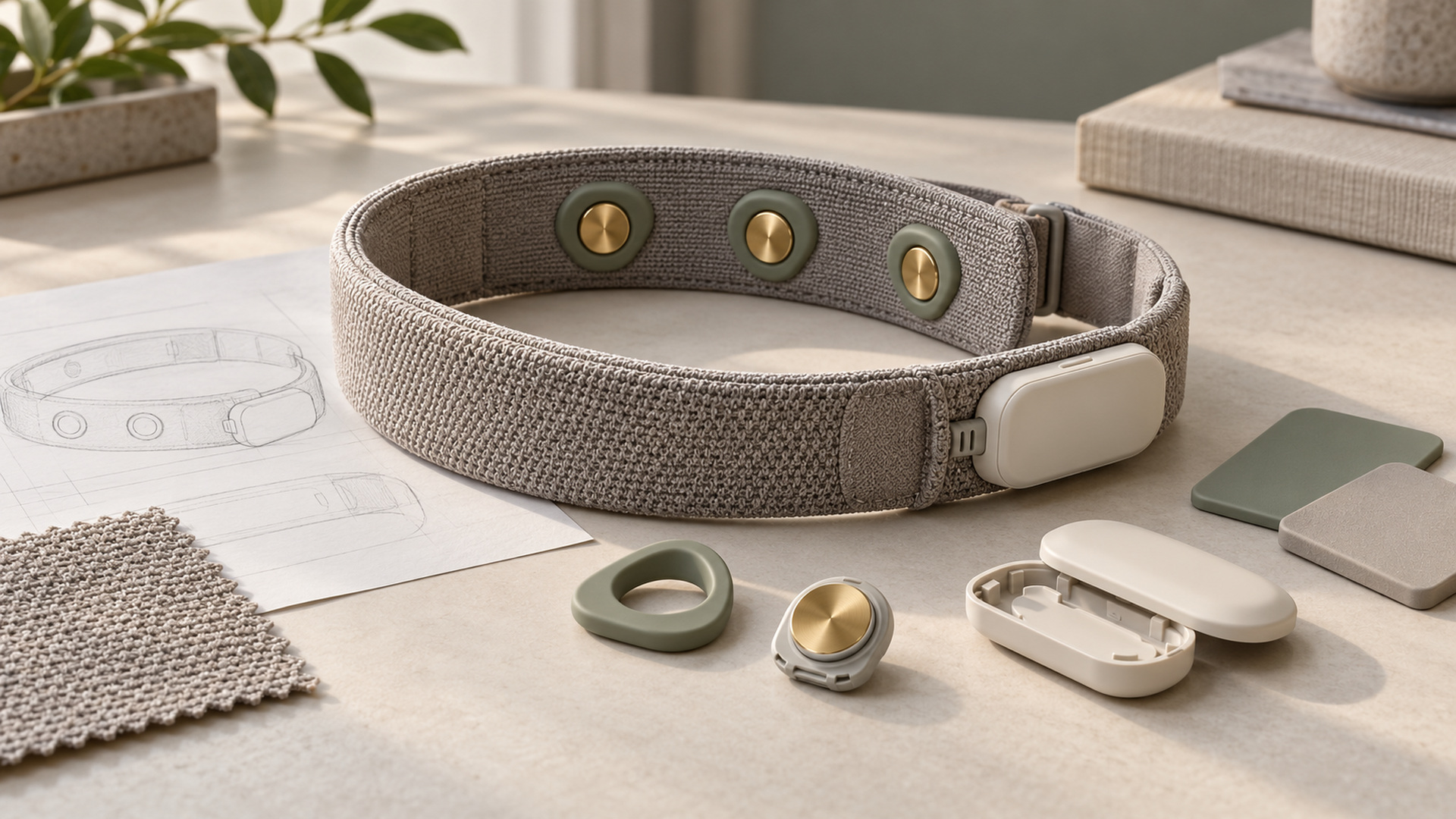
A practical engineering guide to separating electrode, silicone, textile, pressure, cleaning and electronics requirements when developing EEG sleep headbands and other skin-contact wearables.

How do I calculate landed cost beyond the molded part price?
Sourcing & Production

How do I calculate landed cost beyond the molded part price?

The molded part price is only one line of a landed cost. What to add on top — tooling, packaging, assembly, QC, compliance, freight by volumetric weight, duties under your chosen Incoterm, and failure cost — and why comparing suppliers on unit price alone usually backfires.

Custom Silicone Products for Brand Activations: From Brief to Event Delivery
Branded Merchandise

Custom Silicone Products for Brand Activations: From Brief to Event Delivery

Plan custom silicone products for brand activations, including guest customization, sample approval, refill quantities, kitting and event delivery.

How should a design consultancy hand off a silicone project for manufacturing?
Sourcing & Production

How should a design consultancy hand off a silicone project for manufacturing?

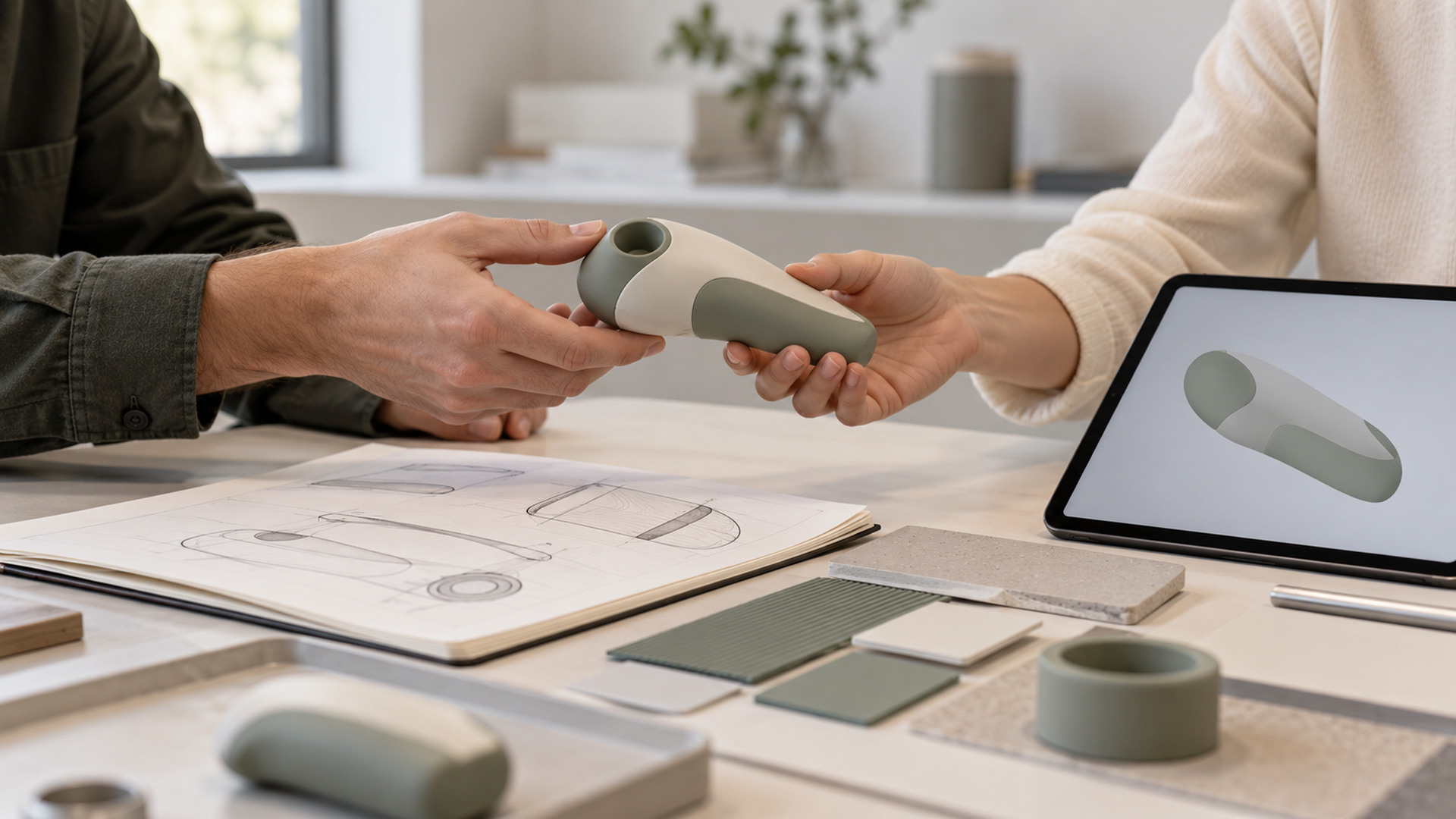
What a design consultancy must actually deliver when a silicone project moves to a factory — the right CAD revision, dimensioned drawings with CTQs, material and color standards, an approved sample, and a clear split of who owns DFM decisions — so the handoff does not turn into a six-week guessing game.

From Retail Product to Premium Branded Gift: Designing a Custom Silicone Accessory Collection
Branded Merchandise

From Retail Product to Premium Branded Gift: Designing a Custom Silicone Accessory Collection

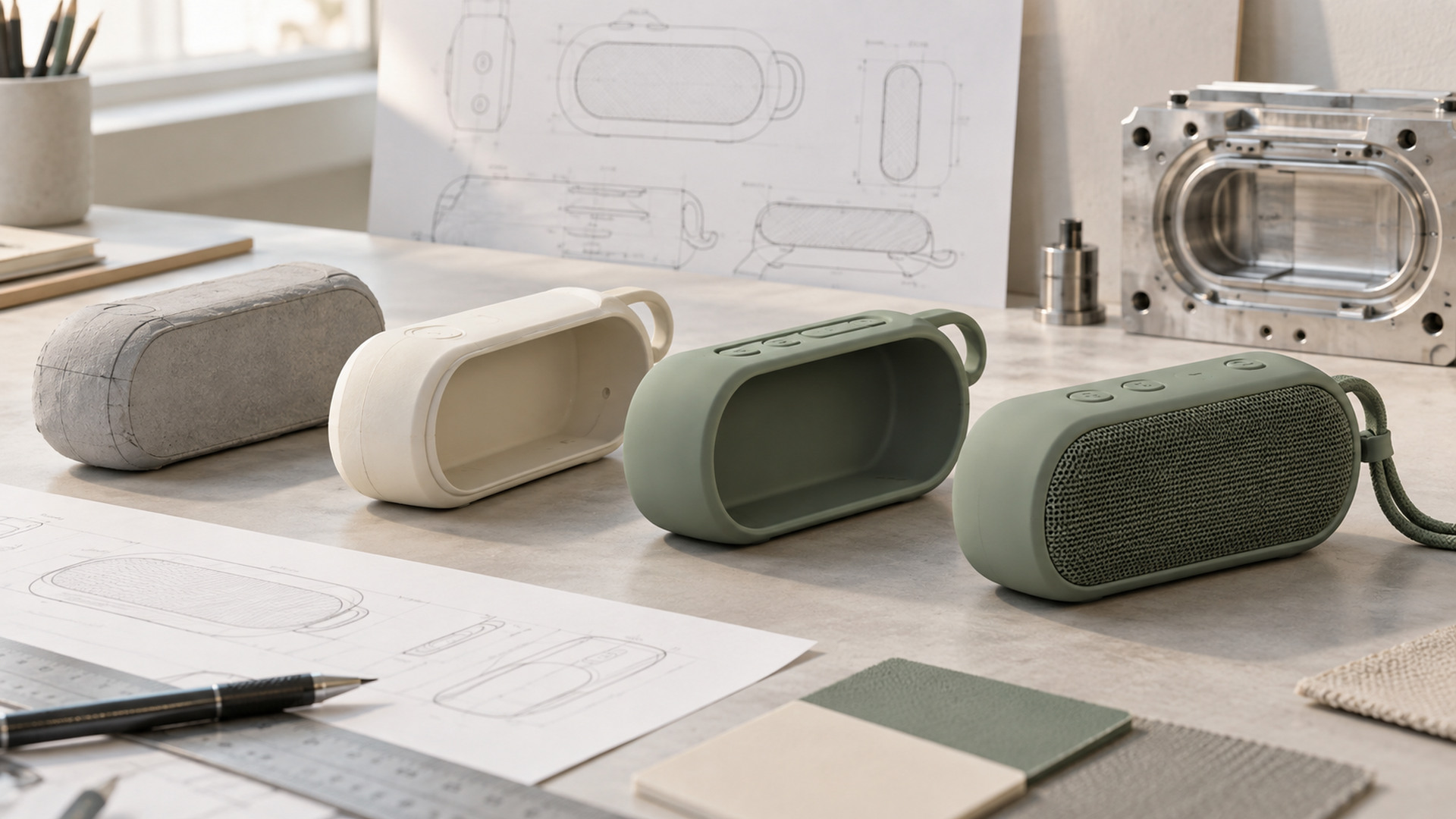
A buyer's guide to developing custom silicone corporate gifts and premium accessory collections, covering product selection, multi-material design, DFM, tooling, compliance, packaging, kitting and replenishment.
Developing a custom silicone product?

Send a drawing, CAD file, reference sample or product concept. We review the structure, material and development path and reply with the next steps.

Silicone Engineering & Product Development Insights | ESKY SUPPLY