What drives the MOQ for a custom molded product, and can production be phased?
A minimum order quantity is not a single number a factory pulls out of thin air. It is the sum of several separate constraints, some of which disappear after the first order and some of which stay with you forever. Once you split them apart, most buyers find they can launch with far less inventory than the headline MOQ suggests.
The decision behind the question is really about balancing first-order inventory against unit cost. Order too much and cash sits in stock that may never sell; order too little and each part carries a heavy setup burden that erodes margin. Getting the split right matters most for a first launch, where demand is unproven and you would rather test the market than fill a warehouse.
Tooling cost is not the MOQ
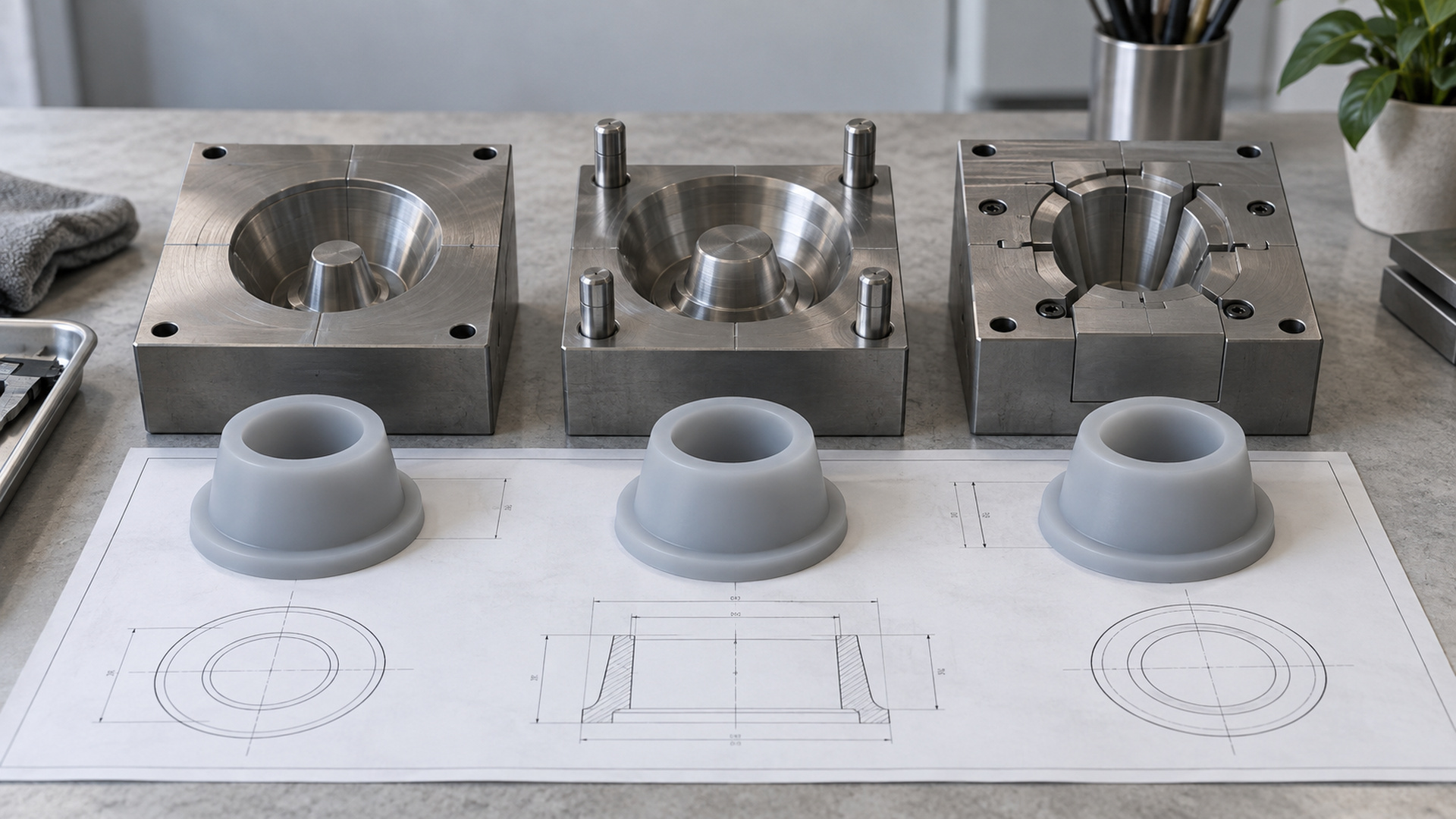
A common mistake is to lump the mold cost in with the minimum run. Tooling is a fixed investment you pay once to cut the steel; it does not force a large first batch. Whether you run 500 or 50,000 parts, the mold cost is the same.
What actually drives a per-order minimum are recurring, per-run costs that get divided across the batch:
- Machine setup and color changeover. Bringing up a press, purging the previous color, and running off a first sample takes time. That time has to be spread over enough parts to keep the unit cost reasonable.
- Material pack size. Silicone compounds and especially matched colorants are purchased in minimum pack sizes. A tiny run can leave you buying more material than the job uses.
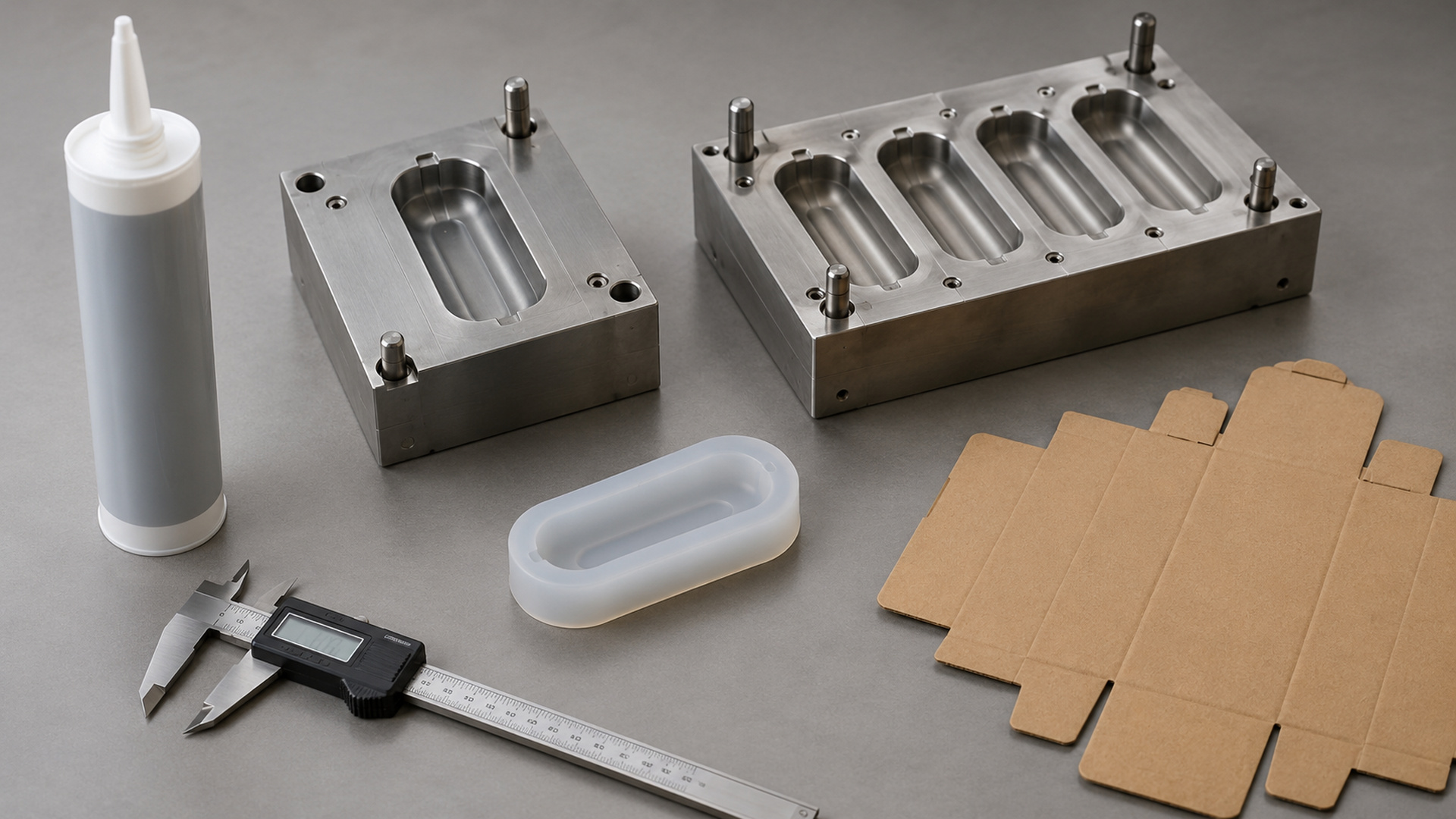
- Custom packaging. Printed boxes, bags, labels, or kitting components often have their own minimum print runs independent of the molding.
- Cavity efficiency. A multi-cavity mold spits out many parts per shot. Very small runs are awkward to schedule around a high-cavity tool.
Ask the supplier to break the quote into mold cost, per-run setup, material, packaging, and unit price. That tells you which minimum is actually negotiable.
Yes, production can usually be phased — with conditions
Staged production — a small first launch run, then larger repeats as demand proves out — is standard practice and usually the safer route for a new product. The mold is built once; you schedule runs against it as forecast demand arrives.
But phasing only works if tooling, material, and QC controls stay identical across every release. Problems appear when a later run silently changes something:
- A different material lot or colorant batch that shifts the shade or feel.
- A mold revision applied between the first and second run.
- Relaxed inspection because the part "already passed" the first time.
Before you commit to phasing, agree in writing that repeat runs use the same approved drawing, sample, material specification, and acceptance criteria, and that any change triggers a re-approval.
Compare options by trade-off, not by headline spec
When several run-size strategies seem possible, score each on the same axes: cash tied up in inventory, unit cost, QC burden, shelf-life risk, and how stable repeat supply stays.
A larger run can be the right call when demand is predictable and storage is cheap. A smaller phased launch earns its place when the product is new, seasonal, or tied to a marketing window where overstock is the bigger risk. The question is always what inventory you are carrying and what unit cost you are giving up for it.
The same applies to comparing suppliers. A quote that folds setup, packaging, and inspection into the unit price is not directly comparable with one that lists them as extras. Ask each supplier to itemize what the minimum run actually covers.
Turn vague language into an acceptance standard
Phased orders make vague requirements dangerous, because the first run sets the reference that later runs must match. Words like "soft," "premium finish," or "color-matched" will not survive a six-month gap between production runs. Convert intent into something repeatable:
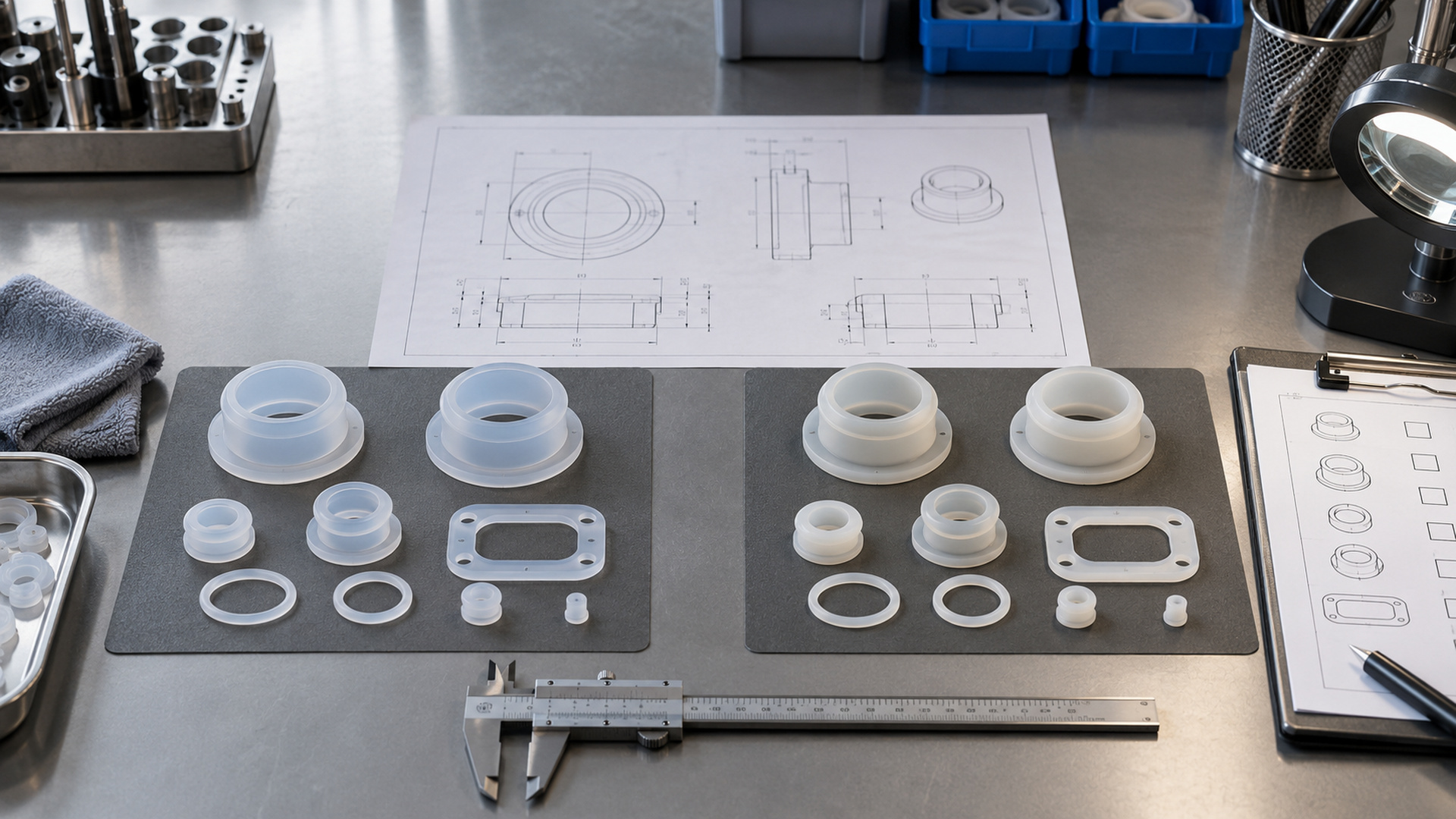
- A controlled reference — approved sample, color standard, and signed drawing that each later run is measured against.
- Critical characteristics — the dimensions, force, appearance zone, or seal condition that must not drift.
- A test condition — how parts are measured, aged, or assembled.
- An acceptance rule — what passes, what fails, cosmetic versus functional.
- A revision record — which drawing, sample, mold, and packaging version each run belongs to.
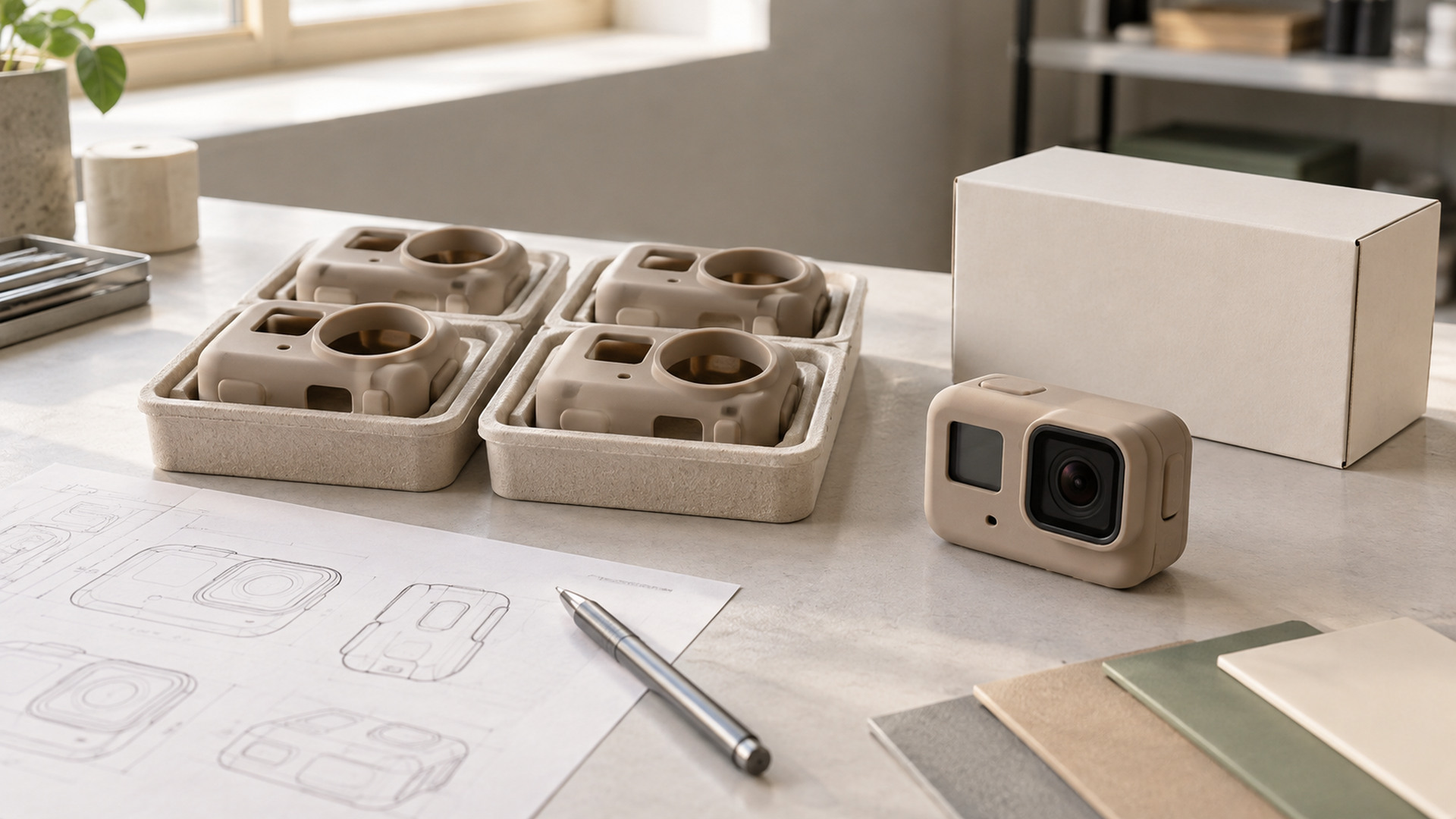
A hand-made or 3D-printed first prototype proves the concept; it is not a production reference. Build the matching standard on actual molded samples once the tool is cut.
How to validate before phasing a run
Before you split a forecast into multiple runs, make sure the first run is genuinely representative. Move from design review to representative molded samples, then to first-article approval, with each step closer to production conditions.
For a high-risk feature, use more than one kind of evidence. Measure the dimension, but function-test the assembly. Pull-test a bond, but also age or cycle it. For a phased program in particular, confirm the supplier can reproduce the approved sample on a later, separate run before you rely on that promise for repeats.
What to prepare before you negotiate the MOQ
Before asking a supplier to lower the minimum, gather as much as the project allows:
- Forecast launch quantity and expected repeat-order pattern.
- Whether the product is seasonal, event-driven, or steady-state.
- Color and decoration complexity, since changeover drives setup.
- Packaging, kitting, and labeling scope and its own minimums.
- Critical dimensions and the acceptance standard repeats must hold.
- Storage conditions and any shelf-life or color-fade concern.
If a hard MOQ still sits above your launch plan, ask which single constraint is binding — material pack, packaging print run, or press setup — and whether that one can be relaxed. Often the mold is not the limit at all.
Questions to ask the supplier
- What makes up your minimum run — setup, material, packaging, or cavity count?
- What does the unit price do at half, full, and double the launch quantity?
- Can we build the mold now and schedule runs against a forecast?
- What stays locked between runs, and what would trigger re-approval?
- How do you keep color and feel consistent across separate material lots?
- How are mold revisions and production lots traced between runs?
Credible answers break the minimum into its components and describe how repeat runs are controlled. "No MOQ" or "we can do any quantity" without explaining the setup math usually means the cost has been buried somewhere else.
Conclusion
The MOQ on a custom molded product is mostly a setup-and-material-pack problem, not a mold-cost problem, and it is usually negotiable once you see the breakdown. Phased production is a sensible way to launch lean, but only when the drawing, sample, material, and inspection standard are frozen and carried unchanged into every later run. Treat the first run as the reference, not the final answer.