Can a material change reduce silicone odor and volatile content?
Yes — but switching to a low-odor silicone grade is usually only half the fix. A "new silicone smell" that bothers customers is rarely the polymer itself. It is a combination of the base grade, how completely the part was cured, the pigments and additives in it, and even how the part was packed. Treat it as one of those, and the smell survives the upgrade.
The useful way to diagnose it is to identify the contribution of material, processing, and packaging separately. Once you know where the volatiles come from, the fix becomes obvious instead of a guess.
The material grade is the first lever
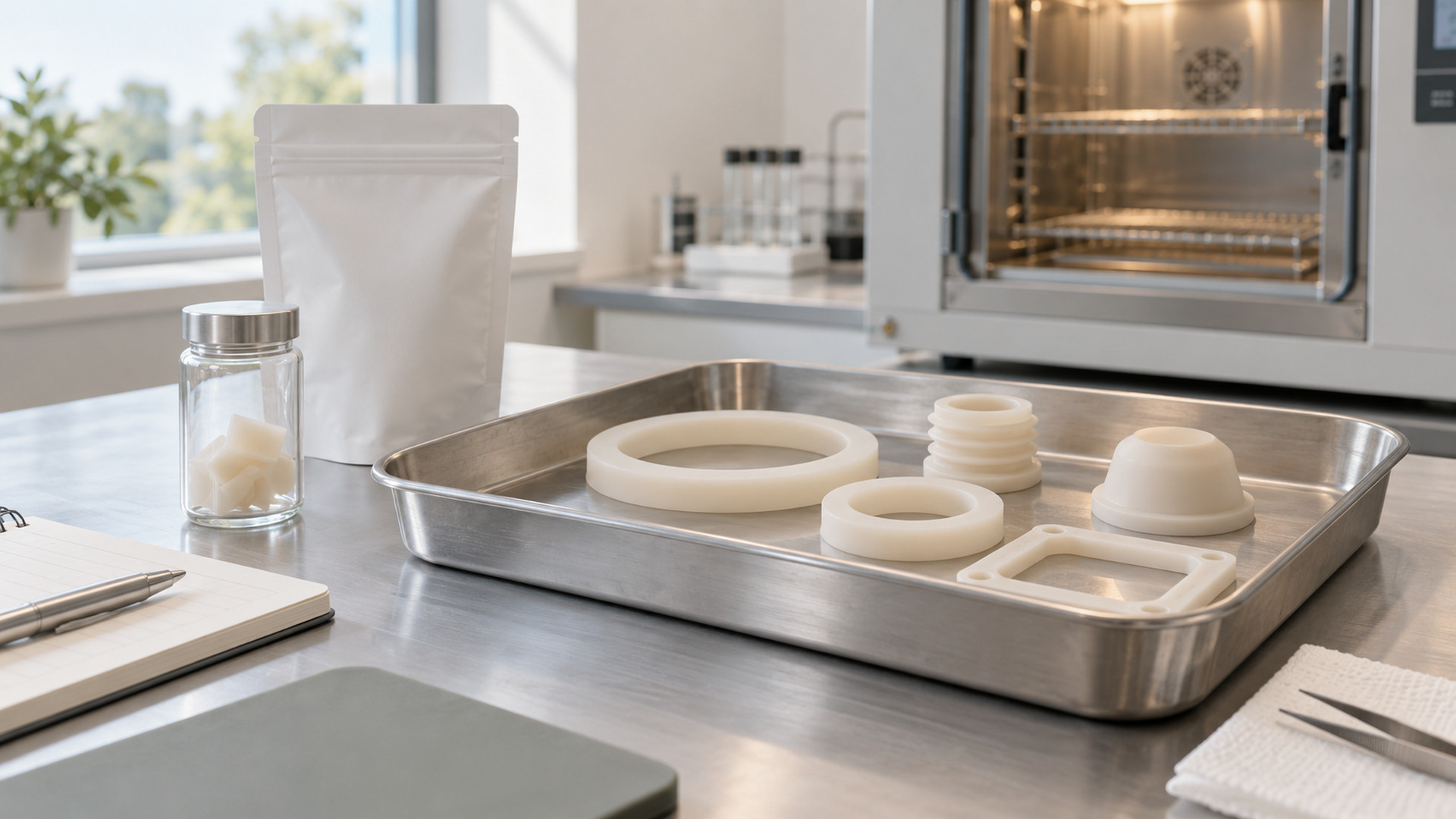
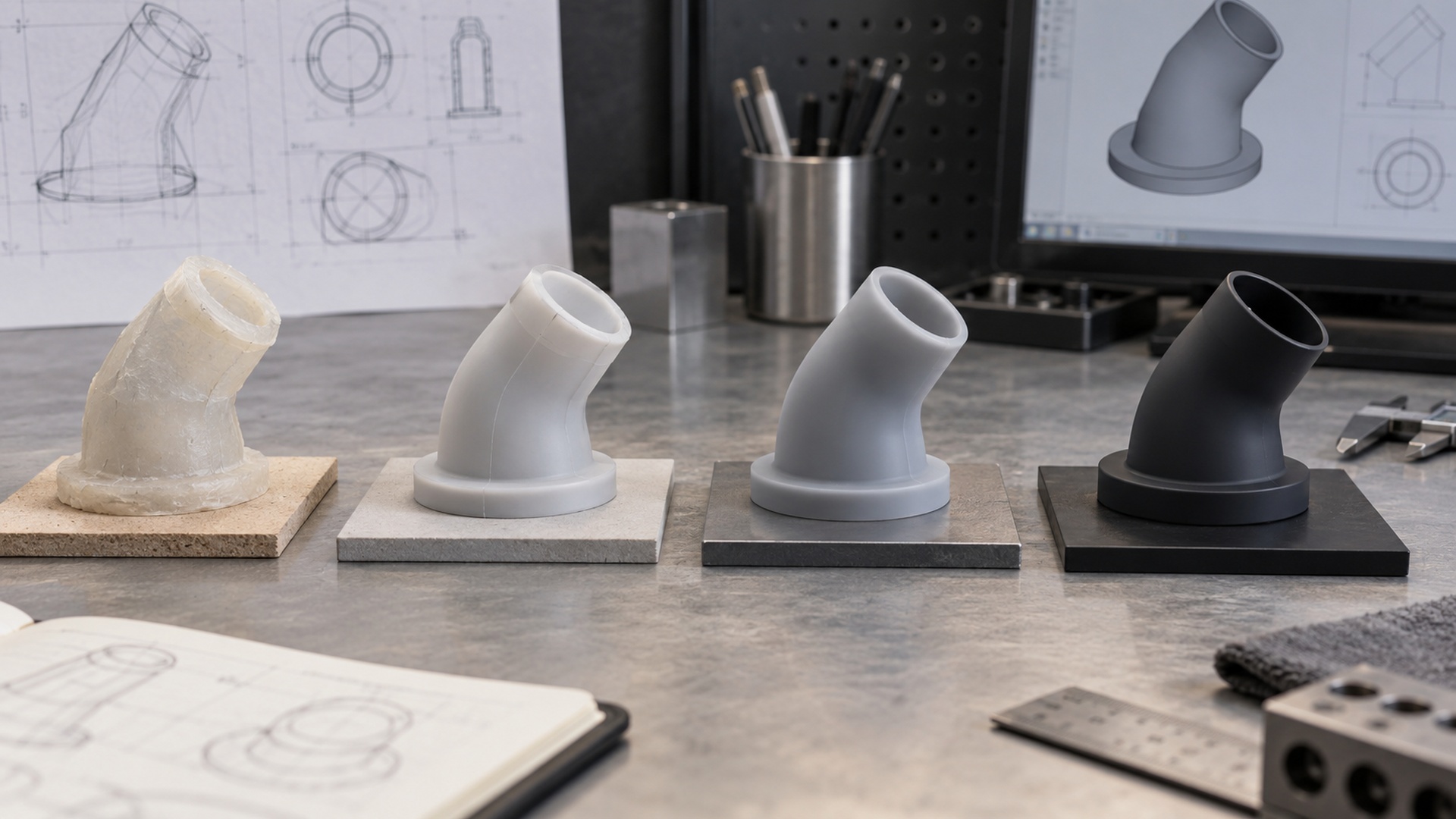
Not all silicone compounds are equally low in volatiles. Standard general-purpose grades are not optimized for low odor, while specialty low-odor, low-VOC, or food-contact-tuned grades are formulated to reduce residual compounds. If odor matters — for a product held near the nose, a wearable, a pet product, or anything in an enclosed bag — start by asking the supplier for a grade designed for low emissions rather than assuming the standard compound will do.
A raw-material declaration that mentions food contact is a clue, not a guarantee of low odor; ask specifically what the grade does for volatile content, and for evidence rather than a verbal reassurance.
Under-cured parts smell the most
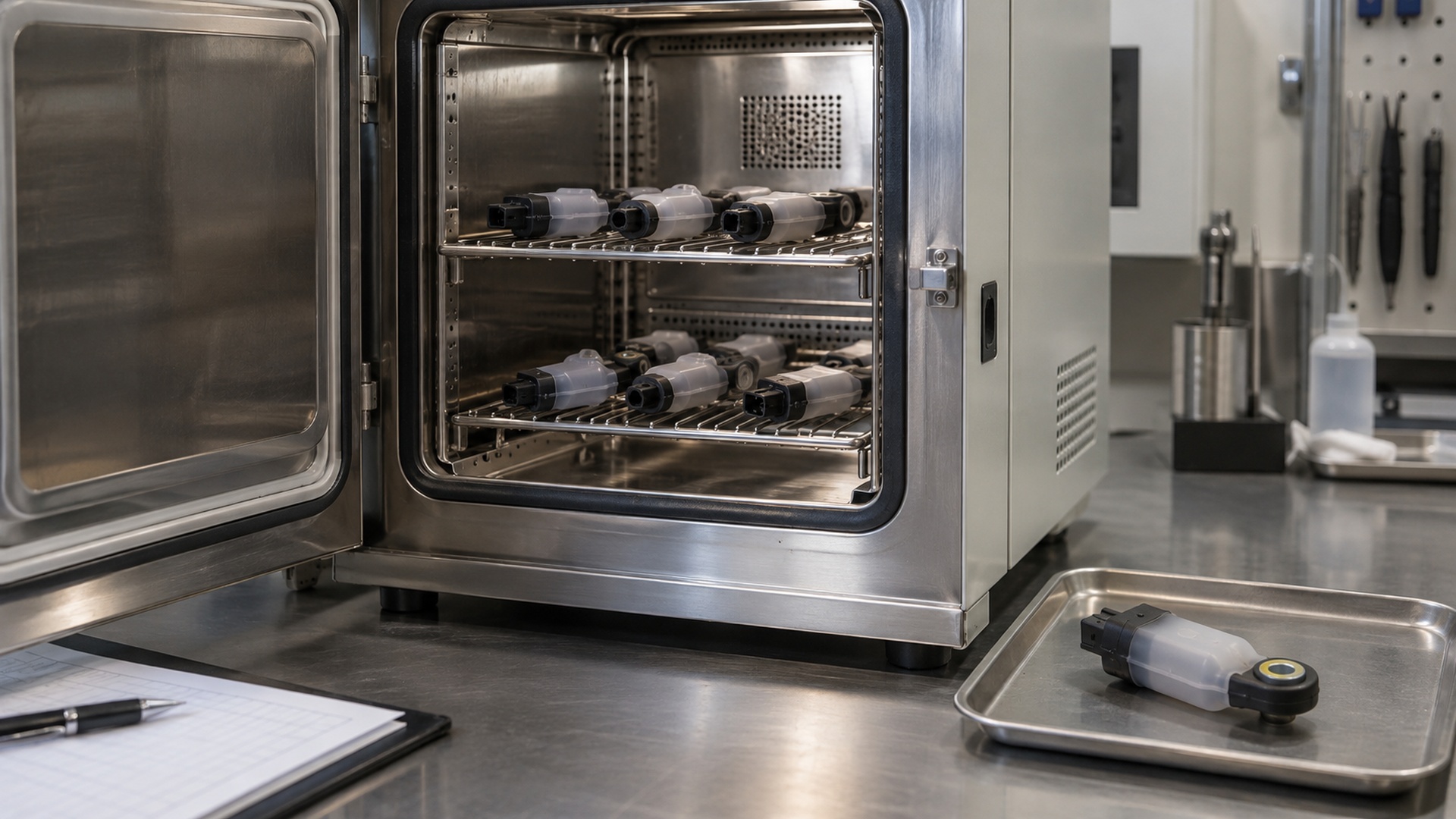
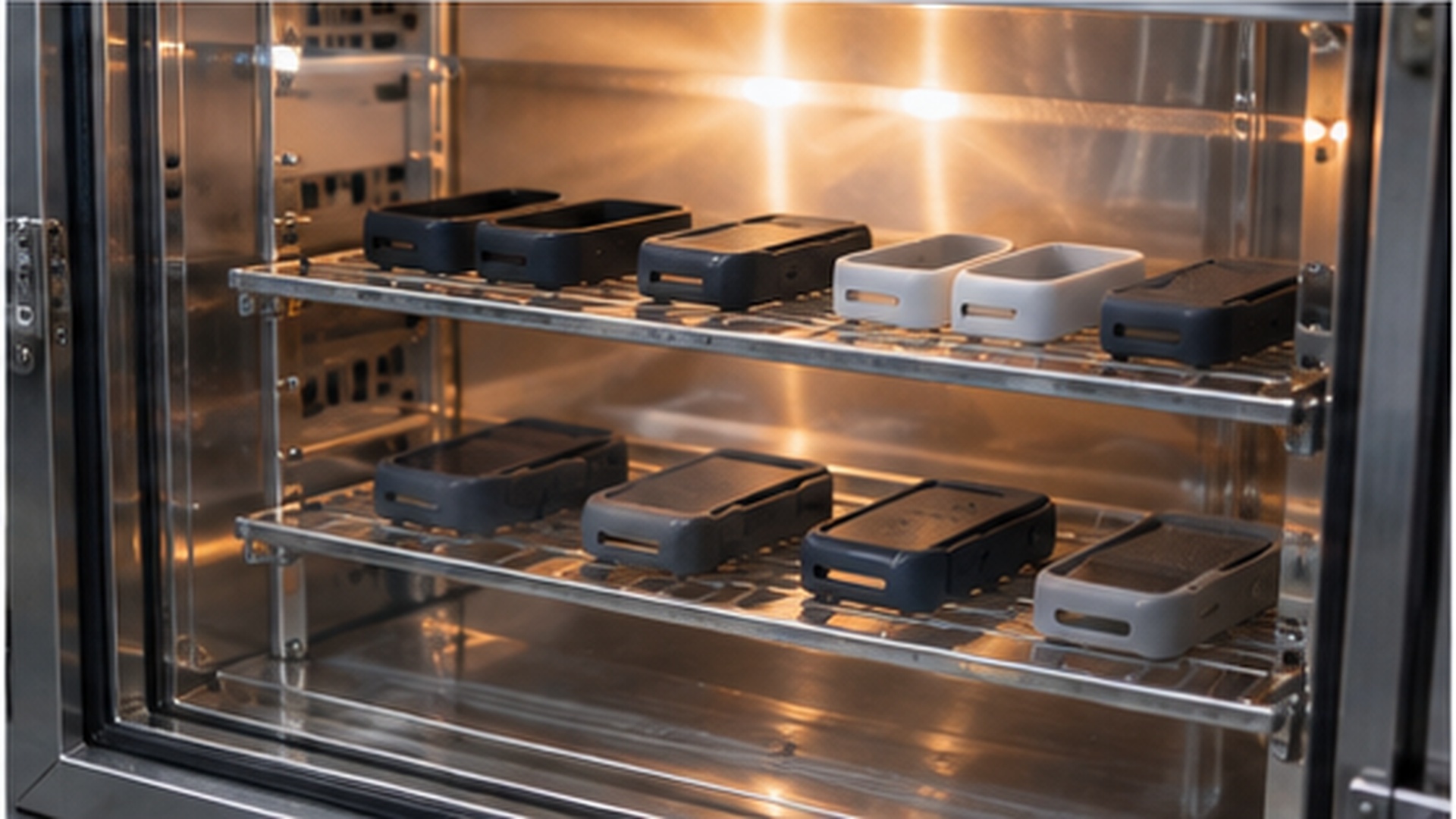
Processing often contributes more than buyers expect. Silicone cures by cross-linking, and a part that leaves the mold under-cured — short cycle, low mold temperature, or no post-cure — retains residual byproducts that continue to off-gas. Proper cure, and often a post-cure bake, drives those volatiles out.
This is why two parts from the same material can smell different. One was fully cured; the other was rushed. When you spec a low-odor part, also specify cure and any post-cure process, and ask how the factory confirms it.
Additives and packaging add their own smell
Pigments, colorants, bonding primers, and release agents each bring their own chemistry, and a strongly pigmented part can carry an additive odor even when the base polymer is clean.
Packaging is the often-missed third contributor. A part sealed straight from the mold into an airtight plastic bag traps the very volatiles you are trying to remove, so the customer opens a bag that has been off-gassing into itself. Vented or breathable packaging, or a short airing step before sealing, lets residual compounds disperse instead of concentrating.
How to judge whether the smell is actually gone
Odor is subjective, so "open the bag and sniff" is a poor acceptance test unless it is standardized. A workable approach is to compare samples the same way every time: seal the part in a defined container for a set period, then assess it against the approved reference rather than against memory. The comparison matters more than the absolute rating, because a sample you have already approved sets the bar.
Test the part in its real packaging, not loose. A low-odor grade sealed in a strongly smelling plastic bag, or packed warm before it has finished off-gassing, can read as worse than it is. If the product will sit on a shelf for months before use, build that storage time into the assessment - the smell that matters is the one the customer opens, not the one the line sees.
Turn vague language into an acceptance standard
"Smells bad" or "no odor" is not testable. Convert the requirement into something measurable:
- A controlled reference — approved low-odor sample and the agreed grade.
- Critical characteristics — the odor or volatile level the part must meet, and the contact zone.
- A test condition — how long the part is aired, how it is packed, and how odor is assessed.
- An acceptance rule — what counts as acceptable, after what airing time.
- A revision record — the grade, cure process, and packaging version approved.
Validate on representative molded parts after realistic packaging, not on a fresh-off-the-tooling sample that has never been sealed in a bag.
Questions to ask the supplier
- Which low-odor / low-VOC grade are you proposing, and what is the evidence?
- What cure cycle and post-cure do you run to drive off volatiles?
- Which pigments or additives contact the surface, and do they add odor?
- How is the part packed, and is there an airing step before sealing?
- How will you confirm odor or volatile content on each run?
- Which finished-product documents apply in my market?
Credible answers address material, cure, and packaging together. "It's silicone, it should smell fine" does not.
Conclusion
A material change helps, but it is not enough on its own. Low-odor silicone starts with the right grade, then depends on thorough cure and any post-cure to drive off residual compounds, and finally on packaging that does not trap those compounds back into a sealed bag. Treat all three contributors together and the smell problem gets solved once, rather than re-appearing after an upgrade that only changed the resin.
If a customer already returns a part for smell, the fix is the same diagnosis in reverse. Ask whether the offending batch used a different grade, a rushed cure, or a change in packaging before assuming the material is to blame. Very often the smell tracks a processing or packaging change rather than the polymer, and swapping the grade alone will not make it go away.