Why do silicone surfaces feel tacky or attract dust, and how should finish be specified?
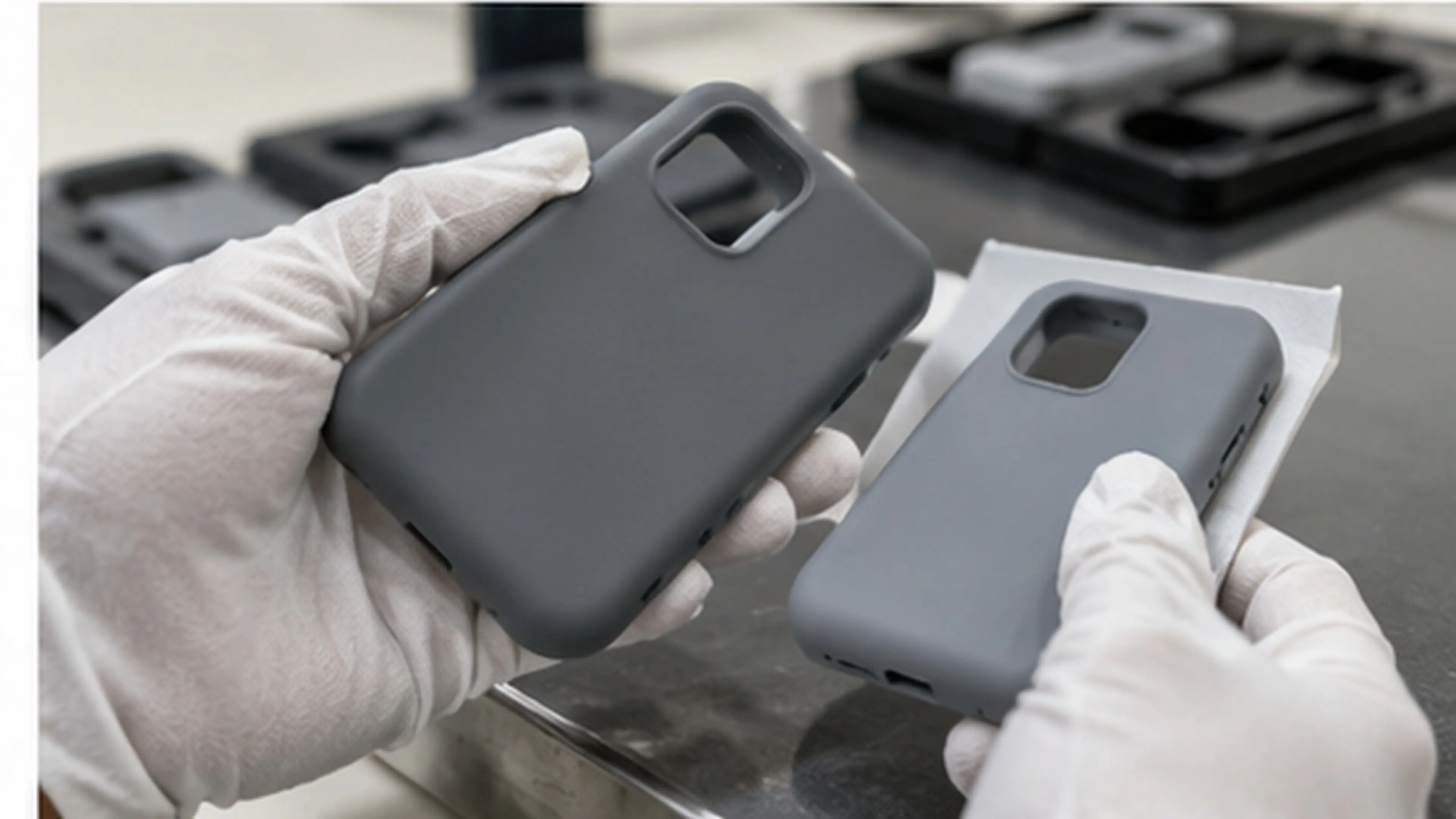
A freshly molded silicone part can feel slightly sticky to the touch and collect lint and dust the moment it leaves the mold. That is not a defect — it is the nature of cured silicone. The polymer has a low surface energy and a mild natural tack, which is why it grips so well and why it picks up every fiber in the air. The question is not how to eliminate tack entirely, but how to specify a surface finish that looks and feels the way the customer expects, and how to package the part so it arrives that way.
For product teams designing consumer silicone goods, the issue is clarifying the surface target and the cleaning/packaging conditions before the mold is textured.
Why silicone feels tacky
Cured silicone has two surface behaviors that customers notice:
- Natural tack. The material grips skin, fabric and itself. This is part of why it seals and grips.
- Dust attraction. The static and mild tack pull lint and particles onto the surface.
Both are normal. A part that is perfectly smooth out of the mold will collect dust on the shelf no matter how clean the factory floor.
How finish is controlled
The surface the customer touches comes from the mold insert, not a post-process coating:
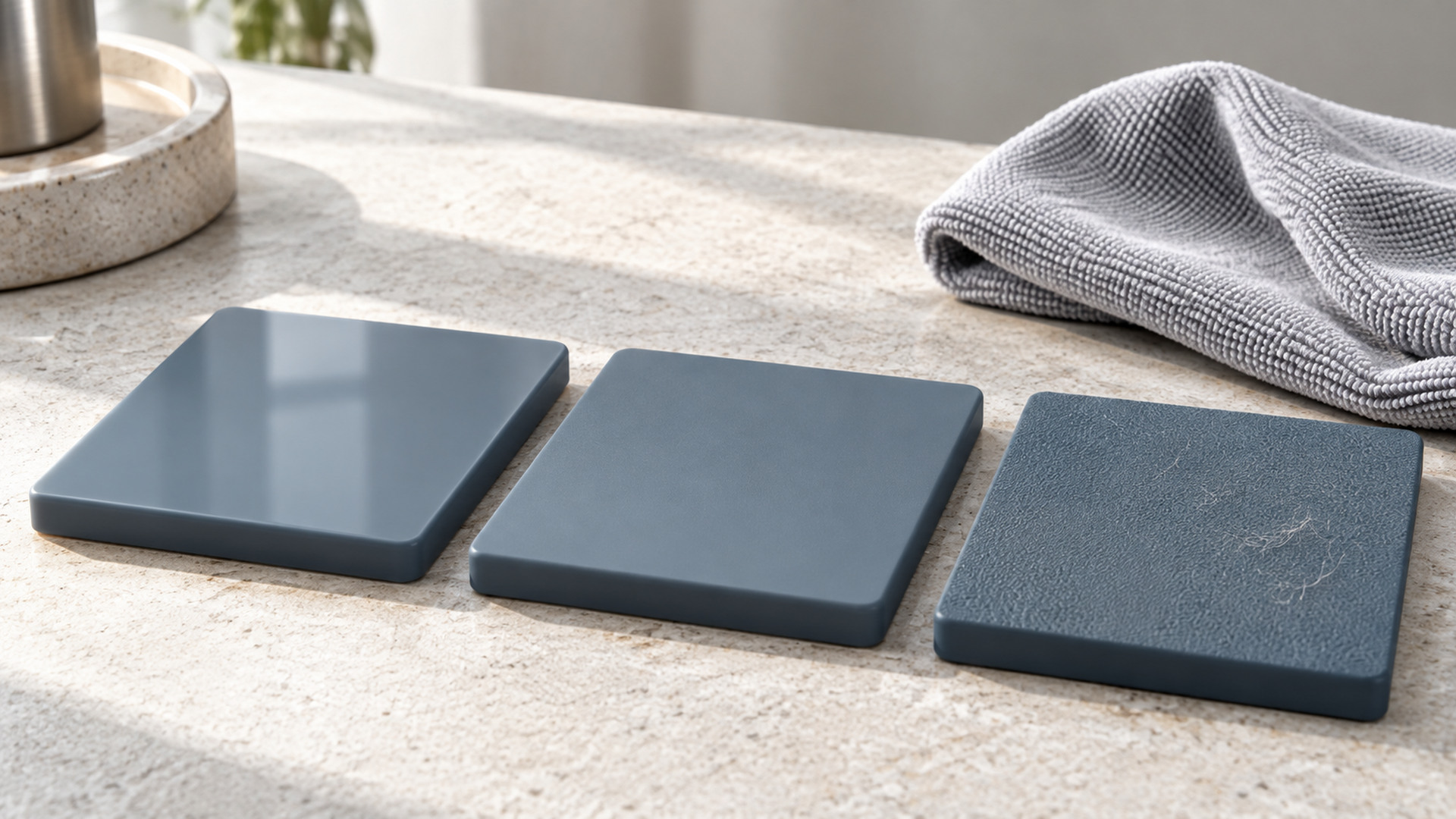
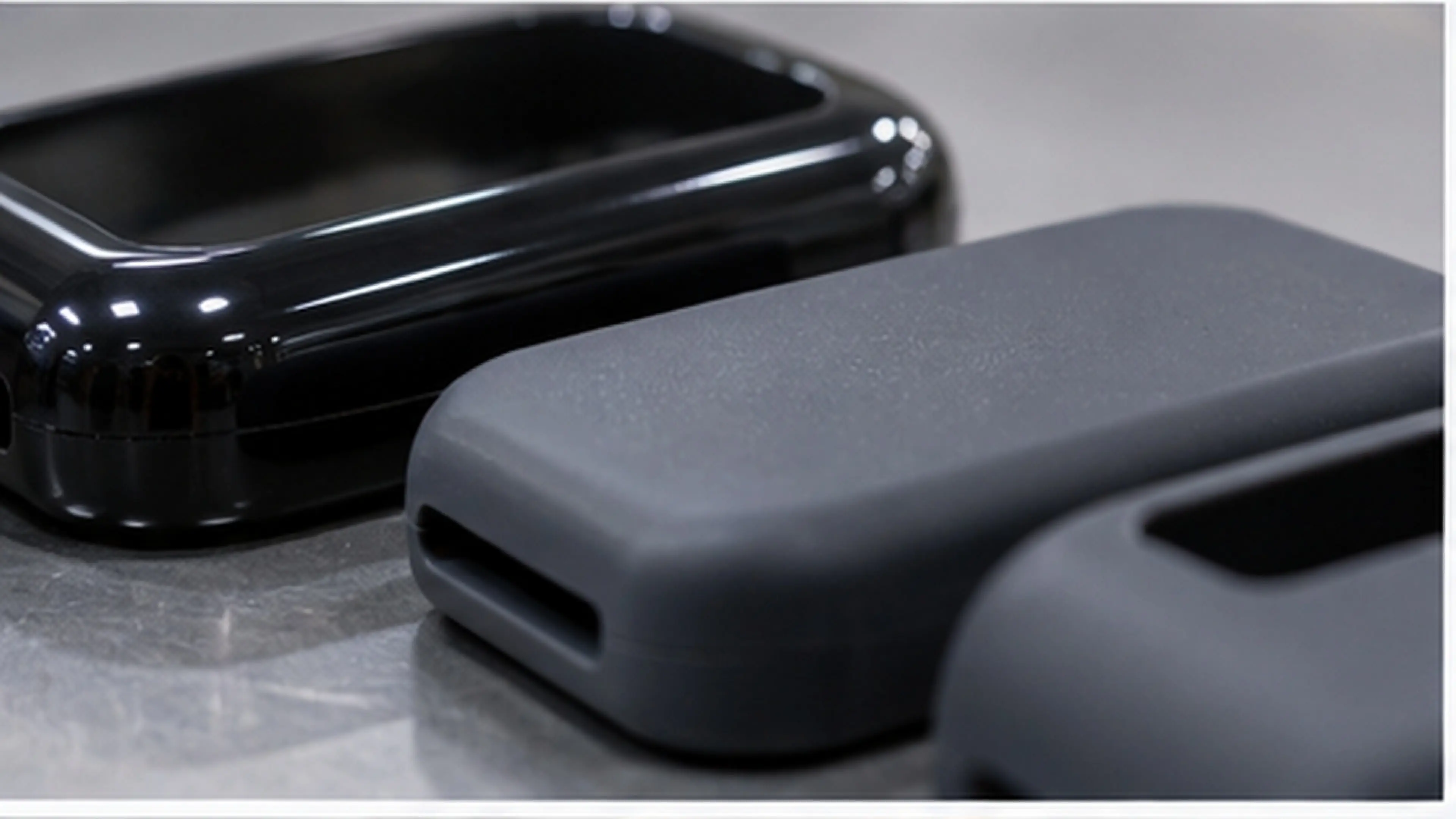
- Polished mold gives a glossy, more visibly tacky surface that shows fingerprints.
- Textured or matte mold gives a softer, less visibly tacky surface that hides dust.
- Matte or soft-touch finishes are achieved by texturing the steel, not by spraying the part.
The finish is machined into the mold, so it must be decided before tooling.
Packaging and storage matter
Even the right finish will look wrong if the part arrives dirty:
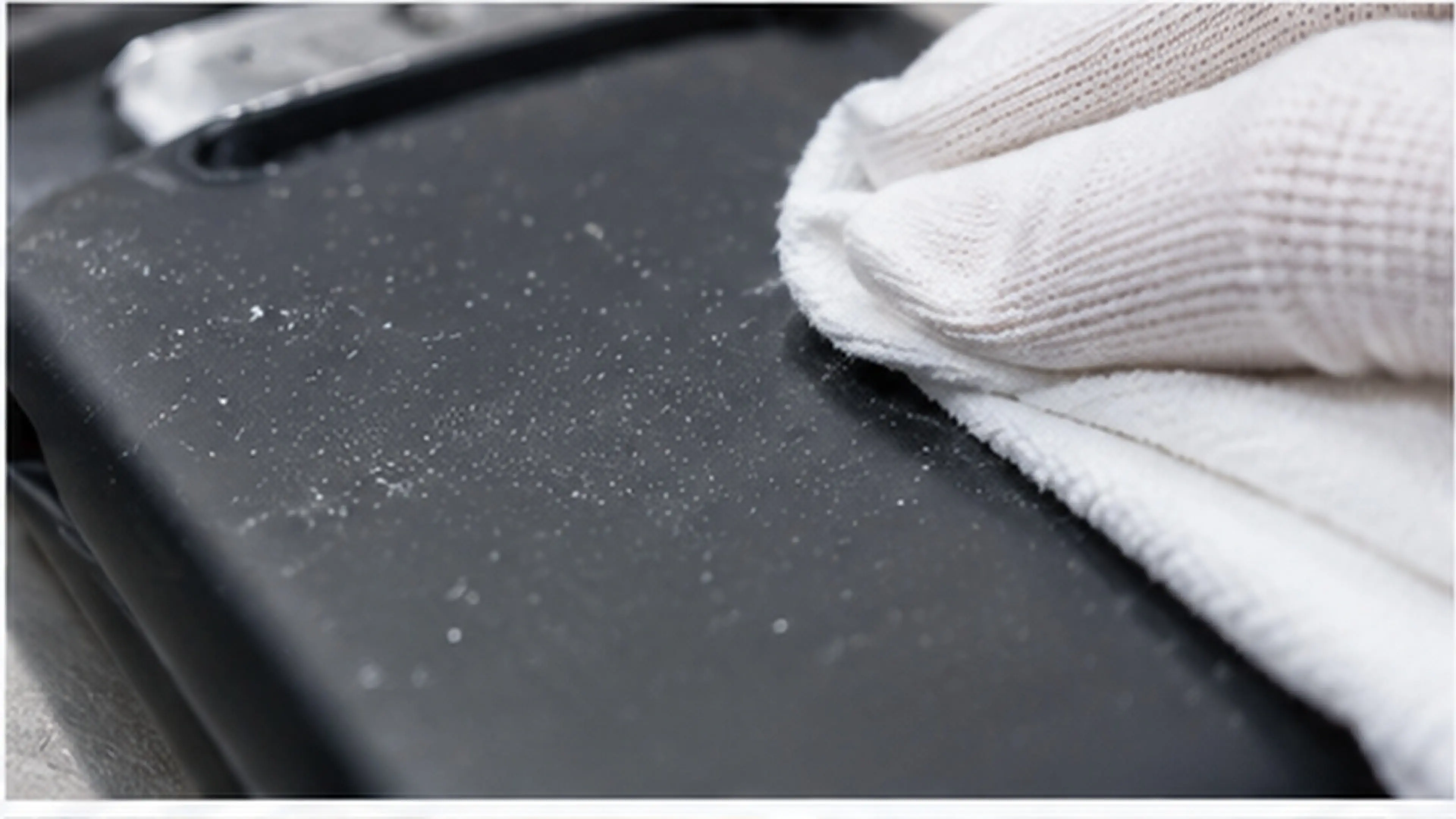
- Silicone picks up lint from foam trays and plastic bags.
- Long compression in packaging can leave a flat mark.
- Surface contact with certain plastics or papers can transfer.
Two checks are worth writing into the spec:
- Validate direct-contact packaging materials against the silicone surface.
- Check long-duration compression and storage orientation, not just how the part looks on day one.
Turn the finish into an acceptance standard
"Nice surface" is not inspectable. Convert it into:
- A controlled reference — an approved sample with the target finish.
- Critical characteristics — surface texture grade, gloss level.
- A test condition — after unpacking, after storage, after light cleaning.
- An acceptance rule — what is acceptable dust, marking or tack.
- A revision record — which mold texture and packaging the approval covers.
Compare options by trade-off
A glossy finish looks premium on a shelf but shows every fingerprint and dust particle. A matte finish hides dust but reads as less premium on some products. The choice depends on the brand aesthetic and how the customer will clean the part.
Validate the unpackaged state
Inspect the part the way the customer sees it — out of the bag, on a clean surface, after a day of settling. A part that looks perfect on the molding bench can arrive looking dusty.
What to prepare before the RFQ
- The target surface look (glossy, satin, matte) or a reference sample.
- How the customer will clean the part (wipes, soap, dishwasher).
- Whether the surface contacts skin, food or other materials.
- Packaging approach and how the part ships.
- Whether the part is sold loose or in blister packaging.
- Target volume and brand aesthetic.
If you have a reference part whose surface you like, send it.
Questions to ask the supplier
- How is the mold surface finished — polished, textured or matte?
- How do you control dust and lint after molding?
- What packaging do you recommend to prevent surface marking?
- How is surface finish approved and inspected?
- Does the finish survive the cleaners the customer will use?
Generic "smooth silicone" answers without a finish reference are not enough.
Conclusion
A slightly tacky, dust-attracting surface is inherent to cured silicone, not a flaw. Specify the finish by texturing the mold (polished, satin or matte), choose packaging that does not leave lint or compression marks, and approve the part out of the bag the way the customer sees it. The surface finish is decided in the mold, not fixed after molding.