Why do suppliers quote very different prices for the same silicone drawing?
Send the same 2D drawing to five silicone factories and you can get five prices that differ by a wide margin. That is not necessarily evidence that four of them are lying. It usually means the drawing leaves the cost-driving decisions unstated, and each supplier filled the gaps with its own assumptions.
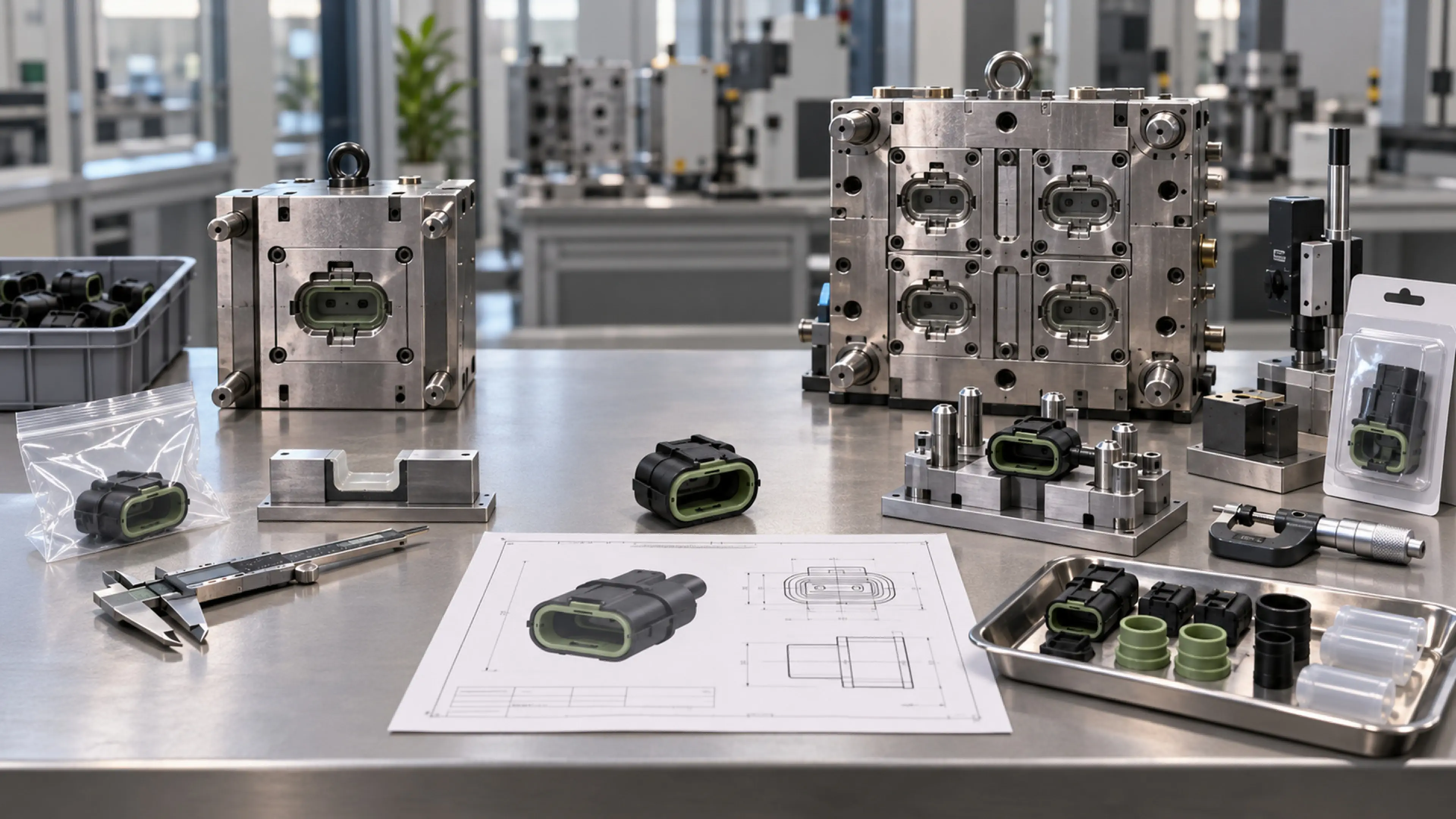
The task when comparing quotes is to break the price into material, mold, yield, and inspection scope, then check which supplier assumed what. A drawing tells a factory the shape. It rarely tells them the material grade, the acceptable scrap rate, the cosmetic standard, the packaging, or the compliance destination — and each of those moves the number.
The drawing does not price itself
Two quotes can look identical on paper while quietly assuming different things. The gaps where prices diverge are usually these:
- Material grade. A general-purpose food-contact compound and a specialty low-odor or medical-grade one are not the same resin cost. If the drawing does not name the grade, a supplier may price the cheapest.
- Tooling build. One-cavity versus multi-cavity, machined steel versus softer mold stock, in-house EDM versus outsourced cutting. Fewer cavities means a cheaper mold but a higher unit price.
- Assumed yield. A factory comfortable with tight cosmetic parts may price a normal scrap rate; another may price cautiously for a part it expects to lose more often.
- Inspection scope. Who pays for 100% inspection, a CMM first article, or outgoing QC is not on the drawing.
- Packaging and assembly. Blister packaging, kitting, logo printing, or assembly are often separate line items — or left out entirely.
Ask each supplier to itemize these rather than compare a single unit price.
Compliance scope moves the price, too
The destination market changes what has to be built into the part and documented around it. A supplier that does not know your target market may either omit compliance work (and leave you exposed) or price in a conservative blanket you did not need.
One common confusion is CE marking. Whether a finished product needs CE marking depends on which EU legislation actually applies to it — not simply on the fact that it is sold in Europe. A plain silicone kitchen tool and a silicone part inside an electrical device sit under different rules. State your market and product category up front so the quote reflects the compliance that genuinely applies, rather than an assumed one.
Compare quotes on the same scope
When prices are far apart, score each against the same checklist: material grade, cavity count, assumed yield, inspection level, packaging, assembly, and compliance. A cheaper route is genuinely better when the requirement is simple and the risk is controlled. A more expensive route earns its place when it removes an assembly step, tightens repeatability, or protects a critical interface.
The question to ask of any gap is what cost is being removed and what risk is being traded. A quote that folds in tooling validation, defined inspection, packaging, and traceability is not directly comparable with one that only covers molded parts. If a low quote comes with thin assumptions, the saved dollars often reappear later as an engineering change.
Keep one controlled revision set across drawing, sample, mold, and packaging so that later price and quality comparisons stay anchored to the same agreed scope.
Turn vague language into an acceptance standard
Price gaps widen when requirements stay subjective. Words like "good finish," "durable," or "food-safe" let each supplier set its own bar. Convert intent into something that can be priced and inspected:
- A controlled reference — approved sample, color standard, signed drawing, or agreed visual standard.
- Critical characteristics — the dimensions, force, appearance zone, or seal condition that matter in use.
- A test condition — how the part is measured, aged, cleaned, or assembled.
- An acceptance rule — what passes, what fails, cosmetic versus functional.
- A revision record — which drawing, sample, and packaging version the price assumes.
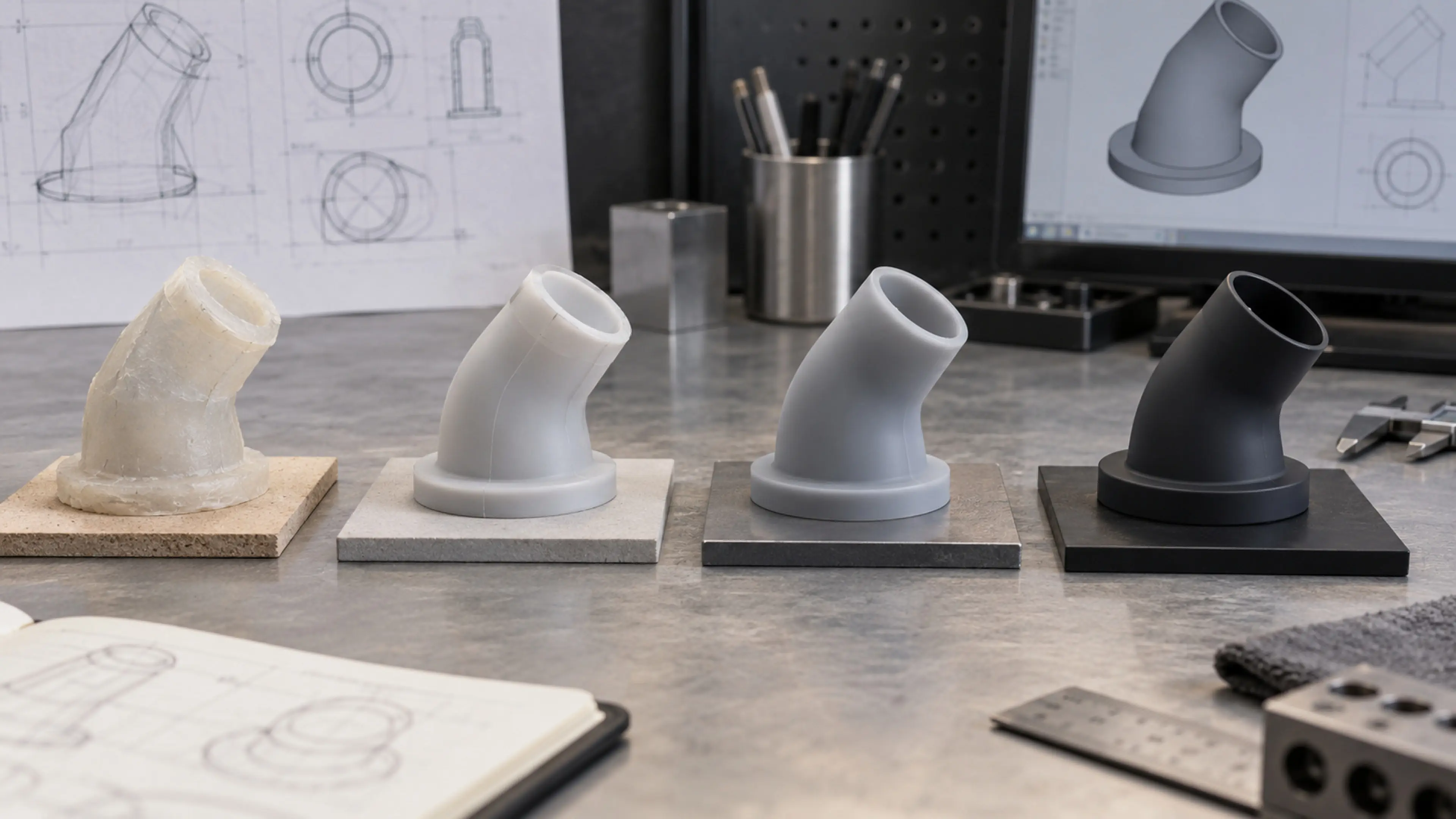
A hand-made or 3D-printed prototype is not a production standard. Build the price comparison on definitions that a production line can actually meet.
How to validate before committing
A good RFQ forces assumptions into the open. Ask every supplier to state the process, material family, tooling approach, inspection scope, and exclusions in writing. That is what turns five scattered numbers into a comparison you can act on.
For a high-risk feature, do not trust a single check. Measure the dimension, but function-test the assembly. Pull-test the bond, but also age or cycle it. Review a raw-material report, but confirm the finished-product compliance plan fits its real market. The cheapest quote only stays cheap if nothing has to be reworked after approval.
What to prepare before you send the RFQ
Before asking suppliers to commit a price, gather as much as the project allows:
- CAD or 2D drawing, plus which dimensions are critical and which surfaces are cosmetic.
- Material preference and any contact conditions or restricted substances.
- Mating-part information for plastic, metal, glass, magnets, or electronics.
- Target market, user group, and the compliance that actually applies.
- Launch quantity, annual forecast, and repeat-order pattern.
- Cosmetic expectations, color reference, logo, and decoration.
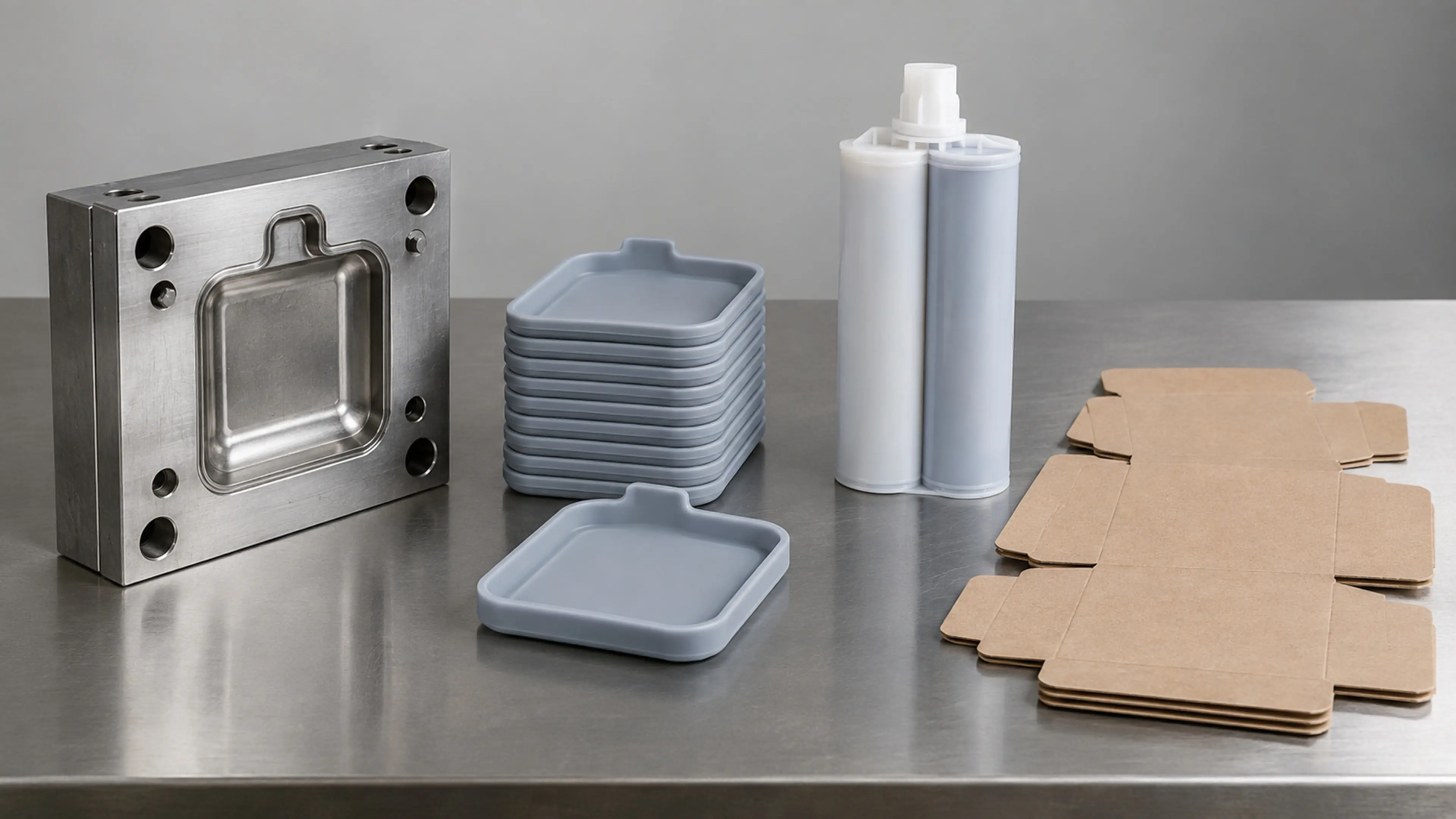
- Packaging, assembly, kitting, and labeling scope.
If some of this is still open, say so. A good quote will flag the assumptions and the point at which they must be closed, rather than guessing silently.
Questions to ask the supplier
- What material grade are you pricing, and what would a food-grade or medical-grade version cost?
- How many cavities, and what steel grade is the mold?
- What yield or scrap rate did you assume?
- What inspection, packaging, and assembly are included versus excluded?
- Which compliance requirements does the finished product actually need in my market?
- What changes after sample approval would change the price?
Credible answers break the number into named assumptions. "Best price," "FDA silicone," or "100% quality guaranteed" explain nothing about why the quote differs.
Conclusion
Big price differences on the same drawing are normal once you realize the drawing only defines the shape, not the grade, tooling, yield, inspection, packaging, or market. The buyer's job is to make those assumptions visible so each supplier prices the same scope. Compare the breakdowns, not the headline number, and the cheapest quote stops being a gamble.